In this article
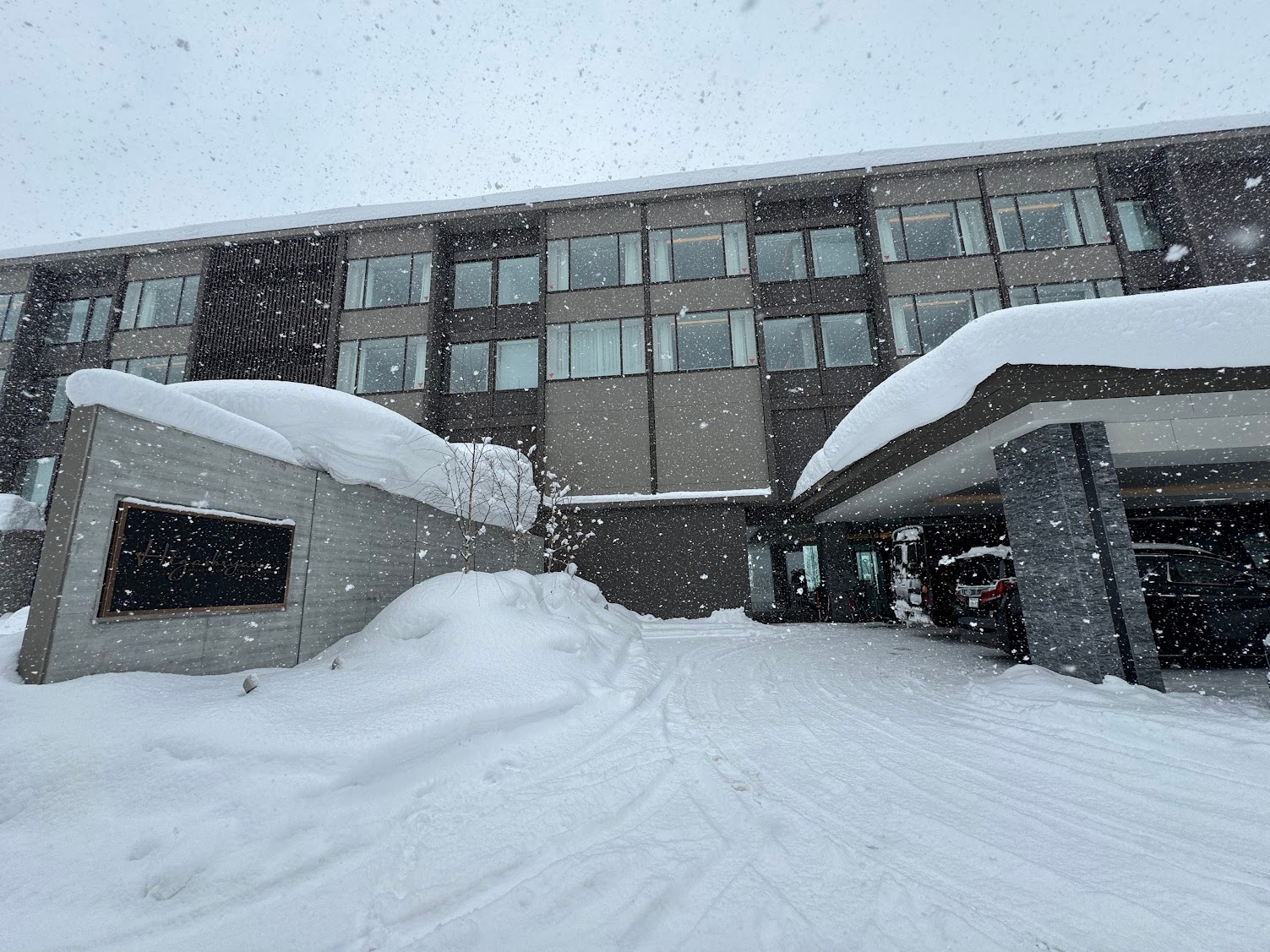
Niseko is not a normal city-break destination where you can pick a cute neighborhood and figure it out later. It is a spread-out ski area in rural Hokkaido, and your lodging choice controls your mornings, dinners, shuttle dependence, rental logistics, and how much energy you have left after a powder day. The best area is not automatically the most luxurious one or the one attached to the biggest hotel brand. It is the one that makes your version of the trip easier.
The main visitor bases sit around the Niseko United ski area: Grand Hirafu, Hanazono, Niseko Village, and Annupuri. Kutchan is the nearby town with the JR station and more local services. Distances look small on a map, but winter roads, snow, luggage, ski gear, restaurant reservations, and limited late-night transport make location matter more than it would in Tokyo or Osaka.
Quick Answer
| If you care about... | Stay here | Why |
|---|---|---|
| First ski trip and easiest logistics | Hirafu | The deepest restaurant, bar, rental, lesson, and shuttle ecosystem. |
| Polished resort stay or family ski school | Hanazono | Newer resort feel, strong beginner infrastructure, and high-end hotels. |
| Self-contained resort trip | Niseko Village | Works when you want ski-in/ski-out convenience and do not need a big town scene. |
| Quieter snow-focused trip | Annupuri | Calmer base, good mountain access, and often a better value feel. |
| Lower lodging costs and local food | Kutchan | Useful for rail arrivals, supermarkets, casual restaurants, and non-resort pricing. |
In Niseko, the shortcut is to decide whether you are paying for ski access, village convenience, space, or quiet. Pick that tradeoff first, then compare cash and points; a beautiful room is less useful if it makes every lift, lesson, or dinner harder.
How I’d Think About It
Hokkaido Niseko is not a normal city-hotel decision. You are not choosing between neighborhoods because one has better nightlife and another has better museums. You are choosing how much friction you want between your bed, the lifts, dinner, ski school, rental shops, grocery runs, and transportation back to New Chitose or Sapporo. That makes the “best area” question more operational than aesthetic.
Start with the mountain routine. If you care about first chair, ski school, or easy gear logistics, staying close to the lifts can matter more than having the prettiest room. A hotel that looks amazing on points but requires a shuttle every time you want to ski can become annoying by day two, especially with kids or a group that moves slowly. If the trip is more about eating, onsens, and relaxing than skiing hard, you may be happier in a quieter resort pocket or somewhere with better dining access.
Also think about dinner before you think about the hotel brand. Niseko winter restaurants book up, taxis can be scarce, and walking around in ski-town weather is not the same as walking ten minutes in Tokyo. Hirafu gives you the most restaurant density, Kutchan gives you more local infrastructure, and resort areas like Niseko Village or Hanazono can be comfortable but more contained. None of those is automatically best; the right answer depends on whether you want convenience, quiet, or flexibility.
My bias for a first Niseko trip is to pay for the area that reduces daily logistics. A slightly less luxurious room near the lifts, rentals, restaurants, or shuttle stops can beat a nicer property that makes every meal and ski day harder. This is one of the destinations where location is not just convenience — it can change how much of the trip you enjoy.
The Best Areas
Hirafu
Best for: first-timers, groups, restaurants, nightlife, ski rentals, and easiest English-language logistics. Skip if: you want quiet, lower prices, or a slower Hokkaido feel.
This is the default answer for many first Niseko trips, and it is popular because it solves problems. You have the largest concentration of restaurants, bars, ski shops, rental counters, lessons, shuttle stops, and apartments. If your group includes mixed skill levels or people who may stop skiing early, Hirafu gives everyone options without requiring a taxi every time someone wants dinner. The catch is price and crowding. A basic room here can cost more than a nicer room elsewhere, especially around peak snow weeks and holidays. Still, if staying in Hirafu lets you walk to dinner, avoid late-night transport issues, and simplify rentals, the premium can be worth it. Be careful with the phrase “Hirafu area.” Some properties are a reasonable walk to the lifts and restaurants; others require uphill walks, hotel shuttles, or icy roads. For a short trip, I would rather book a simpler place in a useful Hirafu pocket than a prettier room that strands me after dinner.
Choose Hirafu when it matches your ski rhythm, group size, and dinner plans; in Niseko, a cheaper bed can get expensive fast if taxis and gear logistics pile up.
Hanazono
Best for: families, beginners, ski school, newer luxury hotels, and travelers who want a polished resort environment. Skip if: you want to bar-hop or walk to a long list of independent restaurants.
Hanazono feels more purpose-built and controlled than Hirafu. That can be a good thing. The ski school setup, family-friendly terrain, newer hotels, and resort services make it one of the smoother choices if you are traveling with kids or beginners. It is also where points and luxury-brand loyalists may be tempted, because some of the most recognizable high-end properties are here. The decision is whether the resort bubble matches your trip. If you plan to ski, use the hotel facilities, eat some meals on-property, and keep nights easy, Hanazono can be excellent. If your fantasy of Niseko is walking through a town, choosing restaurants every night, and staying out late, you may feel removed from the action. Hotel benefits matter more here because you are more likely to use breakfast, resort credits, transfers, and on-property dining. Just price those benefits honestly against the rate you would otherwise pay.
Choose Hanazono when it matches your ski rhythm, group size, and dinner plans; in Niseko, a cheaper bed can get expensive fast if taxis and gear logistics pile up.
Niseko Village
Best for: ski-in/ski-out convenience, resort facilities, couples, and travelers who want fewer daily decisions. Skip if: you want the most independent dining options or the liveliest base.
Niseko Village works best when you actively want a self-contained resort stay. It has slope access, hotel infrastructure, restaurants, and an easier rhythm if your plan is ski, spa, dinner, sleep. For some travelers, that is exactly the point. For others, it can feel limiting because you are not in the main Hirafu dining and nightlife zone. This is where location beats luxury in both directions. A nice resort hotel is a win if it keeps you close to the mountain and reduces planning. It is a bad value if you spend every night trying to leave it. If you are using points or booking through a preferred program, compare the total stay: nightly rate, breakfast, resort credits, transfers, dining prices, and how often you will need taxis or shuttles.
Choose Niseko Village when it matches your ski rhythm, group size, and dinner plans; in Niseko, a cheaper bed can get expensive fast if taxis and gear logistics pile up.
Annupuri
Best for: repeat visitors, quieter ski days, couples, hot springs, and travelers who care more about snow than nightlife. Skip if: you want maximum convenience for restaurants and late nights.
Annupuri is the calmer choice. It has less of Hirafu’s restaurant-and-nightlife scene and less of Hanazono’s polished resort feel, which is part of the appeal. If you want a quieter base, easier access to mellow runs, and a more traditional Hokkaido ski feel, Annupuri can be a strong fit. It can also make sense for travelers who are renting a car or who are comfortable with shuttle planning. The risk is assuming “quiet” means “easy.” Restaurants may require reservations, transportation may be limited, and you need to know how you will get around after dark. If your trip is mostly about skiing, onsen time, and slower evenings, Annupuri can be better than paying Hirafu prices for a scene you do not need.
Choose Annupuri when it matches your ski rhythm, group size, and dinner plans; in Niseko, a cheaper bed can get expensive fast if taxis and gear logistics pile up.
Kutchan
Best for: value seekers, longer stays, rail arrivals, supermarkets, casual food, and travelers with a car. Skip if: you need ski-in/ski-out convenience or want a resort-town vacation outside your door.
Kutchan is the practical town rather than the ski-resort base. You get the JR station, supermarkets, local restaurants, lower-cost lodging, and a less tourist-polished feel. For a longer stay, that can be very useful. You can eat more normally, buy supplies, and avoid paying resort pricing for everything. For a short ski trip, Kutchan only works if your transport plan is reliable. Savings disappear quickly if you are constantly paying for taxis, waiting on shuttles, or losing ski time. I would consider Kutchan if rates in the resort villages are unreasonable, if I had a car, if I were staying long enough to value groceries and local restaurants, or if I were arriving/departing by train. I would skip it for a first Niseko trip where the goal is easy mornings and frictionless evenings.
Choose Kutchan when it matches your ski rhythm, group size, and dinner plans; in Niseko, a cheaper bed can get expensive fast if taxis and gear logistics pile up.
Points, Cards, and Hotel Strategy
Niseko is exactly where rewards logic can help or hurt you. Peak winter cash rates can get aggressive, so points or certificates can be valuable if they put you in a location you would choose anyway. The key phrase is “would choose anyway.” A redemption at a resort that forces daily shuttles, awkward dinner plans, or expensive taxis is not automatically a win just because the cash rate looks high.
Compare the redemption against the cash rate you would realistically pay for the right area, not against the most expensive luxury property on the mountain. If Hirafu is where your group wants to eat and ski, price that area first. If you are comfortable with a more resort-contained stay, then compare Niseko Village or Hanazono options on their own terms. Do not let a free-night certificate decide your geography before you understand the trip pattern.
Hotel benefits are useful in Niseko when they solve specific problems. Breakfast can be valuable before skiing if it is fast and easy, but less valuable if it slows everyone down or replaces a convenience-store breakfast that would have worked fine. Late checkout can matter if you have an evening transfer. A room upgrade can matter if you need space for ski gear. A property credit is weaker if it pushes you into an overpriced meal you would not otherwise choose.
For paid stays, compare direct rates, member rates, packages with breakfast, and preferred-program rates carefully. Some resort benefits sound good but are already baked into a higher rate. Use a no-foreign-transaction-fee card, pay in local currency when asked, and read cancellation rules closely because winter plans can change with flight delays, storms, or transfer issues. In Niseko, the best booking is not the fanciest redemption — it is the one that keeps skiing, meals, and transfers from becoming a daily project.
When Location Beats Luxury
In Niseko, location beats luxury when it removes ski-day friction. A prettier room is not worth much if the group has to coordinate shuttles every morning, drag gear through bad weather, or fight for taxis after dinner. The luxury that matters most here is easy movement: getting to the lifts, rentals, ski school, food, and transfers without turning every day into logistics.
This is especially true for families, mixed-ability groups, and short trips. If one person wants first tracks, one person needs lessons, and someone else mostly wants onsens and food, the wrong base creates constant compromise. Hirafu may be worth paying for because it gives you restaurants and activity density. A resort-contained stay may be worth it if you want calm and do not mind eating on property. The mistake is using a brand name to make that decision before you understand the group’s daily rhythm.
Common Mistakes
- Booking the nicest points hotel before mapping dinners, lifts, and transfers.
- Assuming every property with “Niseko” in the name is walkable to the same places.
- Underestimating winter transport with luggage and ski gear.
- Treating breakfast as a huge benefit when you mostly want early lift access or local food.
- Saving on the room but spending the difference on taxis and lost time.
Bottom Line: Best Areas to Stay in Hokkaido Niseko
For Hokkaido Niseko, the best area to stay is the one that matches your daily route: Hirafu for restaurants and nightlife, Hanazono for Park Hyatt and quieter ski access, and Niseko Village or Annupuri when the resort setup fits the trip. Treat Hirafu for restaurants and nightlife, Hanazono for Park Hyatt and quieter ski access, and Niseko Village or Annupuri when the resort setup fits the trip as the practical shortlist, then pick the base that keeps your first stop, dinner plan, and transit simple. A slightly less flashy hotel in the right neighborhood will usually beat a nicer redemption that adds extra crossings every day.