In this article
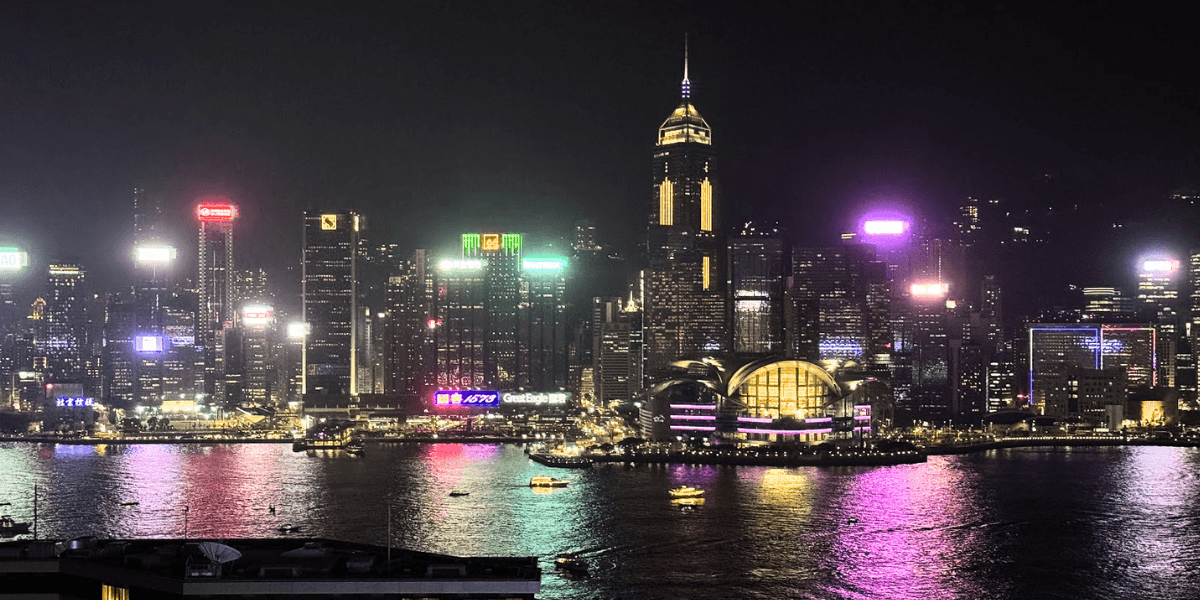
Hong Kong is compact on a map but vertical, dense, and surprisingly easy to get wrong if you book only by hotel brand. The best area depends on whether you want harbor views, business convenience, food, nightlife, shopping, airport/train logistics, or a neighborhood that feels less obvious. Because the MTR, ferries, trams, buses, and taxis are all useful, you have options. The trick is choosing the option that reduces friction for your trip.
The first big decision is Kowloon versus Hong Kong Island. Kowloon, especially Tsim Sha Tsui and Jordan/Mong Kok, gives you classic harbor views, markets, casual food, and a more visitor-heavy energy. Hong Kong Island, especially Central, Admiralty, Wan Chai, Causeway Bay, Sheung Wan, and Sai Ying Pun, gives you business districts, hills, trams, nightlife, restaurants, and many luxury hotels. West Kowloon is a newer logistics option because of the high-speed rail station, Airport Express access nearby, museums, and newer hotels.
Quick Answer
| If you care about... | Stay here | Why |
|---|---|---|
| Classic first Hong Kong trip | Tsim Sha Tsui | Best skyline views, Star Ferry access, museums, shopping, and visitor convenience. |
| Business and luxury | Central / Admiralty | Best for offices, The Peak, SoHo, luxury hotels, and Hong Kong Island access. |
| Best overall balance | Wan Chai | Central, food-heavy, well-connected, and often better value than Central. |
| Shopping and energy | Causeway Bay | Dense, lively, restaurant-heavy, and easy for repeatable city days. |
| Food and value | Mong Kok / Yau Ma Tei / Jordan | Markets, casual food, Kowloon energy, and more approachable hotel pricing. |
| Cafes and neighborhood feel | Sheung Wan / Sai Ying Pun | Great for repeat visitors who want restaurants, cafes, and a less obvious base. |
| Rail and museum logistics | West Kowloon | Useful for high-speed rail, Airport Express-area access, and newer cultural attractions. |
In Hong Kong, start with the side of the harbor and the transport pattern. A hotel that keeps ferries, MTR rides, trams, or late dinners simple is often worth more than a room upgrade in the wrong pocket.
How I’d Think About It
Hong Kong is a hotel-location puzzle built around harbor crossings, MTR access, hills, humidity, and where you want to spend your evenings. A hotel can be “central” on a map and still be annoying if it sits uphill from the station, requires constant taxis, or leaves you crossing the harbor at the wrong times. For a short trip, I would rather be near the MTR and the food or meetings I care about than chase a slightly nicer room in a less useful pocket.
Start by deciding which side of the harbor anchors your trip. Hong Kong Island works well if you care about Central, Sheung Wan, Admiralty, Wan Chai, nightlife, business meetings, or easy access to the Peak and island-side neighborhoods. Kowloon works well if you want harbor views, Tsim Sha Tsui, Jordan, Mong Kok, museums, classic food runs, and easier access to some airport-linked transit patterns. Both sides can be great; the mistake is pretending the crossing never matters.
Then think vertically. Hong Kong has stairs, elevated walkways, footbridges, steep streets, and buildings where the lobby, mall, station, and street are not always on the same intuitive level. A five-minute walk can feel very different with luggage, rain, heat, or family members who hate hills. That is why a boring hotel attached to transit can outperform a cooler boutique property that looks close but requires an uphill walk every time.
My default for first-timers is to optimize for MTR convenience and evening food access. Hong Kong rewards wandering, but it also punishes unnecessary backtracking. Pick an area that lets you do one side of the harbor well each day, then cross intentionally instead of constantly.
The Best Areas
Tsim Sha Tsui
Best for: first-timers, harbor views, Star Ferry rides, museums, shopping, and classic skyline photos.
Skip if: you want quiet streets, a local residential feel, or lower prices.
Tsim Sha Tsui is the easiest first-timer answer if you want the Hong Kong postcard experience. You are on the Kowloon waterfront looking at the Hong Kong Island skyline, near the Star Ferry, Avenue of Stars, Harbour City, K11 Musea, museums, malls, and plenty of hotels. It is straightforward, visual, and convenient. The downside is that it can feel touristy and commercial, especially around Nathan Road and the biggest malls. True harbor-view rooms can also be expensive. If you are paying for the view, confirm the exact room category. “Partial harbor view” is not the same as waking up to the skyline. From a rewards perspective, TST can be a good place to use points when cash rates are high, but only if the location and room type improve the trip. Do not redeem for a hotel buried in a mall maze if your plan is to eat across town every night.
Choose Tsim Sha Tsui when it keeps your harbor crossing, MTR line, or late dinner simple; in Hong Kong, vertical streets and humidity make exact location matter.
Central / Admiralty
Best for: business travelers, luxury stays, The Peak, SoHo, Lan Kwai Fong, and Hong Kong Island convenience.
Skip if: you are trying to keep hotel costs down or want market-heavy Kowloon energy.
Central and Admiralty are the polished, expensive, highly convenient Hong Kong Island bases. You are near offices, IFC, Pacific Place, the Peak Tram, Hong Kong Park, Star Ferry piers, trams, MTR lines, restaurants, and many of the city’s top hotels. If you have meetings or want a luxury hotel experience, this area makes sense. The catch is price and personality. Some stays can feel more corporate than neighborhood-driven, and casual food may require walking uphill, riding the escalators, or heading to nearby districts. Benefits such as breakfast, lounge access, and late checkout can be genuinely useful here, especially on business trips or luxury stays. Just compare the total cost. A preferred-partner rate is not a win if it is materially higher than a flexible cash rate and the benefits do not match your plans.
Choose Central / Admiralty when it keeps your harbor crossing, MTR line, or late dinner simple; in Hong Kong, vertical streets and humidity make exact location matter.
Wan Chai
Best for: balanced trips, food, nightlife, transit, convention access, and travelers who want Hong Kong Island without Central pricing.
Skip if: you want the quietest stay or the most polished luxury cluster.
Wan Chai is one of the most practical areas in Hong Kong. It sits between Central/Admiralty and Causeway Bay, has strong MTR and tram access, lots of restaurants and bars, and a mix of local, business, and nightlife energy. It can be better value than Central while still keeping you close to most Hong Kong Island plans. The important point is that Wan Chai changes block by block. Some pockets feel businesslike, some local, some nightlife-heavy, and some a little rough around the edges late at night. Pick the micro-location, not just the district. For many travelers, this is where a paid hotel in a good spot beats a fancier redemption elsewhere. If you are going to spend the day moving around the city and the evening eating nearby, Wan Chai is hard to beat.
Choose Wan Chai when it keeps your harbor crossing, MTR line, or late dinner simple; in Hong Kong, vertical streets and humidity make exact location matter.
Causeway Bay
Best for: shopping, dense city energy, casual restaurants, families who want convenience, and travelers who like having everything nearby.
Skip if: you dislike crowds or want a calm hotel environment.
Causeway Bay is intense in a useful way. You have malls, shops, restaurants, Victoria Park, trams, MTR access, and the feeling that Hong Kong is happening immediately outside the door. It is good for travelers who want food and shopping without constantly planning. It is also a reasonable base if you want to stay on Hong Kong Island but do not need Central pricing. The downside is crowding. Sidewalks can be packed, and some hotels are in very busy commercial areas. If you are using points or booking a chain property here, make sure the specific hotel is near the transport you will use and not just technically in Causeway Bay. A slightly less glamorous hotel with a better exit, easier taxi access, and quieter room can be the better value.
Choose Causeway Bay when it keeps your harbor crossing, MTR line, or late dinner simple; in Hong Kong, vertical streets and humidity make exact location matter.
Mong Kok / Yau Ma Tei / Jordan
Best for: food, markets, value, Kowloon energy, casual nights, and travelers who want a less polished stay.
Skip if: you want luxury hotels, harbor views, or quiet streets.
This Kowloon corridor is where Hong Kong feels dense, loud, food-heavy, and alive. Mong Kok gives you markets and shopping; Yau Ma Tei and Jordan can be more practical for food, MTR access, and value hotels. This area is not for everyone. Streets can be crowded, rooms can be small, and the environment is less polished than Central or TST. But if you want casual food, night-market energy, and better cash pricing, it can be a strong choice. I would be careful with hotel quality here. Read recent reviews, check room size, and prioritize being close to an MTR station on a comfortable street. This is rarely where I would chase luxury benefits. It is where I would pay a fair cash rate for location and use the savings on meals.
Choose Mong Kok / Yau Ma Tei / Jordan when it keeps your harbor crossing, MTR line, or late dinner simple; in Hong Kong, vertical streets and humidity make exact location matter.
Sheung Wan / Sai Ying Pun
Best for: repeat visitors, cafes, restaurants, slower Hong Kong Island stays, and people who want neighborhood texture.
Skip if: you need maximum first-timer convenience or flat walks everywhere.
Sheung Wan and Sai Ying Pun are great for travelers who have already done the obvious Hong Kong checklist or who prefer neighborhoods with restaurants, cafes, dried seafood shops, galleries, and side streets. You are still close to Central, but the feel is different: less corporate, more lived-in, and more interesting for wandering. The tradeoff is hills and station placement. Hong Kong Island can be steep, and “near the MTR” may still mean stairs, slopes, or a sweaty walk in humid weather. Choose your hotel carefully if mobility, luggage, or heat are concerns. This area is also a good reminder that the best hotel is not always the most famous one. A smaller property in the right pocket can create a better trip than a luxury tower in a district you barely use.
Choose Sheung Wan / Sai Ying Pun when it keeps your harbor crossing, MTR line, or late dinner simple; in Hong Kong, vertical streets and humidity make exact location matter.
West Kowloon
Best for: high-speed rail users, airport/train logistics, museums, newer hotels, and travelers who want a modern Kowloon base.
Skip if: you want street-level neighborhood energy immediately outside the hotel.
West Kowloon is a logistics-and-new-development option. It can be useful if you are using the high-speed rail station, want access to the West Kowloon Cultural District and M+, or are considering newer hotels around the waterfront and Elements. At street level, TST, Mong Kok, and Hong Kong Island neighborhoods feel more naturally interesting. You may spend more time in malls, elevated walkways, and transport links. That can be perfectly fine if the hotel rate is strong or the logistics match your trip. I would choose West Kowloon when the transport value is clear, not just because the hotel looks new. If every meal and activity is elsewhere, make sure the savings or benefits justify the extra movement.
Choose West Kowloon when it keeps your harbor crossing, MTR line, or late dinner simple; in Hong Kong, vertical streets and humidity make exact location matter.
Points, Cards, and Hotel Strategy
Hong Kong is a good place to be flexible with cash versus points because the hotel market has a wide range. Luxury harbor-view hotels can be expensive, but there are also practical business hotels and independent properties that put you near transit for a reasonable cash rate. Do not assume a points hotel is automatically better just because Hong Kong has expensive five-star names.
The first filter should be location. If a points redemption puts you near Admiralty, Central, Tsim Sha Tsui, or another area that fits your plans, it can be excellent. If it pushes you into a location where every dinner, ferry, meeting, or airport transfer becomes harder, paying cash for a simpler hotel near the MTR may be the smarter move. Hong Kong is compact, but compact does not mean frictionless.
Hotel benefits need a Hong Kong-specific reality check. Breakfast can be convenient, especially before business meetings or early sightseeing, but Hong Kong is one of the places where skipping hotel breakfast can be a feature, not a sacrifice. Dim sum, cha chaan teng breakfasts, bakeries, and local coffee shops are part of the trip. Late checkout can be genuinely useful because many North American flights leave late, and lounge access can help if you are working or traveling with family.
For paid stays, compare direct member rates, portals, and preferred programs, but do not overpay for credits that lock you inside the hotel. Use a no-foreign-transaction-fee card and choose local currency if a terminal offers conversion. If a hotel is attached to a mall or transit hub, that convenience may justify a modest premium. If the only reason you are there is a brand logo, keep shopping.

Chase Sapphire Preferred® Card
Earn 75,000 bonus points after you spend $5,000 on purchases in the first 3 months from account opening.
The Chase Sapphire Preferred® Card is ideal for those optimizing for cash back or travel. Redeem Chase Ultimate Rewards for cash back at 1.25x on select categories through Pay Yourself Back or travel via Chase Travel℠. The card is also a basic travel card with good spend multipliers and benefits like no foreign transaction fees and primary collision damage waiver (terms apply).

Chase Sapphire Reserve®
Earn 100,000 bonus points after you spend $6,000 on purchases in the first 3 months from account opening.
The Chase Sapphire Reserve® is a strong premium card if you care about earning points or benefits when you travel. Despite the $795 annual fee, the $300 travel credit, Priority Pass membership, and over $2,700 in annual cardmember value make the card worth considering.

Capital One Venture X Rewards Credit Card
Earn 75,000 Miles when you spend $4,000 on purchases in the first 3 months from account opening
The Capital One Venture X Rewards Credit Card is one of the best premium travel cards, given the travel perks and overall simplicity. The card does have a hefty annual fee, but the credits, anniversary miles, and perks easily outweigh this for most people.
When Location Beats Luxury
In Hong Kong, location beats luxury when it saves you from unnecessary harbor crossings, uphill walks, and taxi dependence. A nicer room can lose its appeal quickly if every dim sum meal, meeting, ferry ride, or night out starts with a complicated route. The city is efficient, but the exact hotel entrance, MTR station, footbridge, and hillside position matter more than they appear on a map.
For first-timers, a hotel near Central, Admiralty, Tsim Sha Tsui, Jordan, or another well-connected area can create a better trip than a more luxurious property that strands you away from the way you plan to move. The test is simple: after dinner, in humidity or rain, would you still be happy returning to this hotel? If the answer is no, the room probably is not as good a deal as it looks.
Common Mistakes
- Choosing Kowloon or Hong Kong Island based only on a hotel brand.
- Paying for a “harbor view” without confirming the exact room category.
- Ignoring hills, station exits, and luggage in Hong Kong Island neighborhoods.
- Assuming a preferred-partner luxury rate is automatically better than a normal cash rate.
- Staying in West Kowloon for a neighborhood trip when the main reason to be there is rail or museum access.
Bottom Line: Best Areas to Stay in Hong Kong
For Hong Kong, the best area to stay is the one that matches your daily route: Central or Admiralty for convenience, Tsim Sha Tsui for harbor views, and Sheung Wan or Sai Ying Pun for food and neighborhood wandering. Treat Central or Admiralty for convenience, Tsim Sha Tsui for harbor views, and Sheung Wan or Sai Ying Pun for food and neighborhood wandering as the practical shortlist, then pick the base that keeps your first stop, dinner plan, and transit simple. A slightly less flashy hotel in the right neighborhood will usually beat a nicer redemption that adds extra crossings every day.