In this article
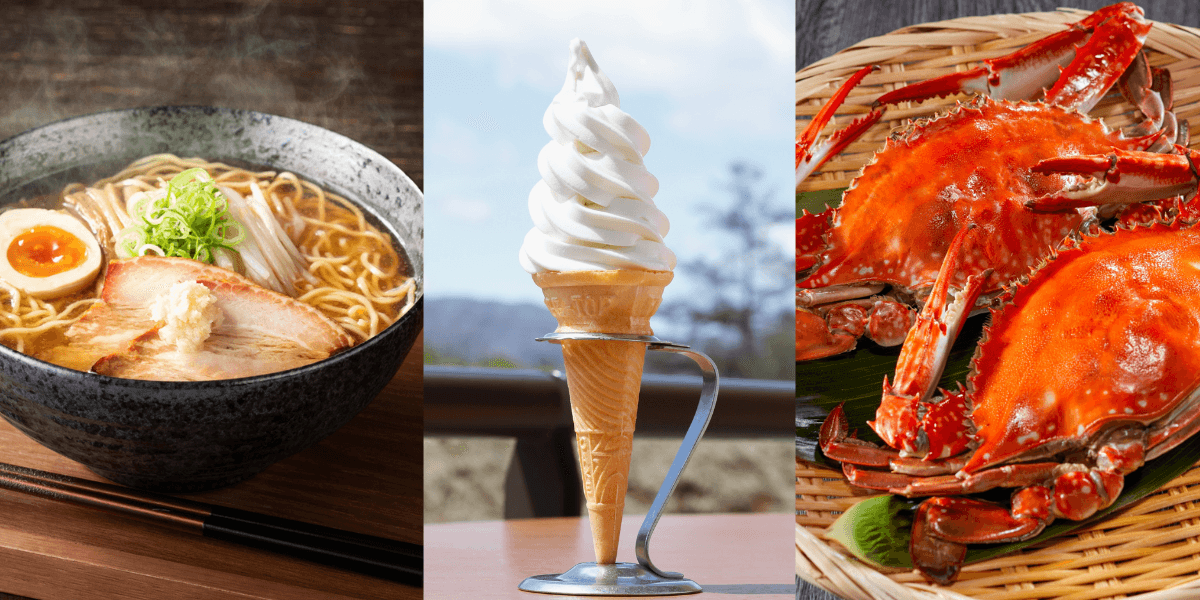
Niseko is famous as a ski destination, but the better way to think about food here is Hokkaido first, resort town second. The ingredients are the story: cold-water seafood, dairy, potatoes, corn, miso, wheat, and lamb all show up in ways that make sense after a day in the snow. The trap is treating Niseko like Tokyo with better powder. The trip works differently. Reservations can be tighter, taxis can be scarce, weather changes plans, and the best meal is often the one that works with your ski day instead of forcing everyone to chase a booking across town.
In Niseko, the practical approach is to plan around the ski day first. Prioritize foods that make sense in cold weather—ramen, soup curry, seafood, izakaya meals, and Hokkaido dairy—then decide which dinners need reservations before the lifts close and everyone starts competing for the same tables.
Quick Answer
| Food to prioritize | Why it matters | Best itinerary use |
|---|---|---|
| Hokkaido seafood | Cold waters around Hokkaido produce crab, scallops, uni, salmon roe, squid, and rich white fish, which is why seafood matters even on a ski trip. | Best as a planned dinner on a non-exhausting ski day, or as a Sapporo/Otaru meal before or after Niseko. |
| Soup curry | Soup curry is a Sapporo-born comfort food that makes immediate sense in winter: a thin, fragrant curry broth with vegetables, chicken, pork, or seafood, served with rice on the side. | This is one of the best post-ski meals because it is warming without being as heavy as fried food or yakiniku. |
| Miso ramen | Hokkaido is tied to miso ramen, especially Sapporo-style bowls with a rich, savory broth, springy noodles, and toppings like corn, butter, bean sprouts, pork, and green onion. | Ramen is the perfect arrival-night, departure-day, or late-lunch meal. |
| Genghis Khan lamb | Genghis Khan, or jingisukan, is Hokkaido-style grilled lamb or mutton, usually cooked on a domed metal grill with vegetables. | Best for a group dinner when everyone is willing to smell like grill smoke afterward. |
| Hokkaido dairy desserts | Hokkaido’s dairy reputation is not marketing fluff. | Use dairy desserts as an afternoon break, not a separate itinerary anchor unless you are already passing through a known shop. |
| Seicomart and convenience-store meals | Seicomart is a Hokkaido convenience-store institution, and in Niseko it can be useful trip infrastructure. | Best for breakfast before first chair, a backup dinner after travel delays, or a cheap lunch when you would rather ski than sit down. |
On a short Niseko trip, pick one seafood or crab meal, one warm recovery meal like soup curry or ramen, and one easy dairy or bakery stop. That mix gives you Hokkaido flavor without sending a tired ski group across icy roads every night.
How I’d Think About Food in Hokkaido Niseko
Start with your lodging location. Hirafu has the most visitor-friendly restaurant density, Niseko Village and Hanazono can be more resort-contained, and Kutchan is useful when you want a more local-feeling dinner or a bigger supermarket run. A great restaurant that requires a hard-to-get taxi after a long ski day may be worse than a simpler meal you can reach.
Separate reservation meals from recovery meals. Book one or two dinners you care about, especially in peak winter. Leave the rest flexible for ramen, soup curry, convenience-store meals, and resort-adjacent casual spots. Niseko rewards people who plan just enough, not people who schedule every calorie.
For value, remember that resort-town pricing adds up quickly. Paying more for convenience can be rational when it saves a taxi, a cold walk, or an argument with a tired group. The mistake is paying resort prices for generic food when Hokkaido-specific dishes are available nearby.
A useful Niseko food plan has three layers: reservation dinners for scarce seats, practical lunches near the lifts, and backup food at the condo or hotel for stormy nights. Value here is not only price; it is whether the meal protects ski time, sleep, and the group’s patience.
The Foods Worth Prioritizing
Hokkaido seafood
Cold waters around Hokkaido produce crab, scallops, uni, salmon roe, squid, and rich white fish, which is why seafood matters even on a ski trip. The flavor profile is usually sweet, briny, and lighter than a sauce-heavy meal. Scallops are often the safest first order because they are naturally sweet and forgiving; crab and uni are more seasonal, more expensive, and more dependent on freshness. If you are coming from Tokyo or Osaka, the point is not that every piece will be better than a top sushi counter. The point is that Hokkaido seafood belongs to the region and gives the trip a sense of place beyond lift lines and hotel lounges.
How to find and order it: Look for seafood izakaya, sushi counters, hotel restaurants with local sourcing, and market-style meals in Sapporo or Otaru if your itinerary includes a transfer day. Order simply: sashimi sets, grilled scallops, crab when in season, ikura rice bowls, or a chef-recommended assortment. If the menu is entirely in English and focused on luxury buzzwords, compare prices before committing.
Where it fits in the itinerary: Best as a planned dinner on a non-exhausting ski day, or as a Sapporo/Otaru meal before or after Niseko. Do not schedule your most expensive seafood dinner after a day when half the group may crash early.
Practical mistakes, pricing, and payment notes: The big mistake is assuming “Hokkaido seafood” means automatic value. Crab and uni can get expensive quickly, and some resort restaurants price for captive tourists. Cards may work at higher-end places, but smaller spots can prefer cash, so keep yen available. A good seafood rice bowl can be better value than a mediocre tasting menu.
Soup curry
Soup curry is a Sapporo-born comfort food that makes immediate sense in winter: a thin, fragrant curry broth with vegetables, chicken, pork, or seafood, served with rice on the side. The broth is different from Japanese curry in a thicker roux style. The broth is lighter, spicier, and more aromatic, and the vegetables often matter as much as the protein. In Hokkaido, potatoes, carrots, squash, and corn can be genuinely good, not just filler.
How to find and order it: Order by choosing a base, protein, spice level, and rice size. If you are spice-sensitive, do not try to prove anything; medium is usually enough to get the point. If you see options for chicken leg, braised pork, or seasonal vegetables, those are safe bets. The dish travels poorly compared with eating it hot, so prioritize dine-in when possible.
Where it fits in the itinerary: This is one of the best post-ski meals because it is warming without being as heavy as fried food or yakiniku. It also works well for mixed groups because people can adjust spice and rice. Put it on a flexible lunch or early dinner slot rather than a fancy reservation night.
Practical mistakes, pricing, and payment notes: Mistakes: ordering too spicy, underestimating wait times at popular shops, and treating soup curry like a side dish. Pricing is usually reasonable compared with resort dinners, but add-ons can creep up. It is a strong value meal when the alternative is an overpriced Western resort restaurant.
Miso ramen
Hokkaido is tied to miso ramen, especially Sapporo-style bowls with a rich, savory broth, springy noodles, and toppings like corn, butter, bean sprouts, pork, and green onion. The taste is warming and salty in the best way after cold weather: deeper and rounder than a simple soy-sauce broth, but not necessarily as heavy as tonkotsu. Butter corn ramen can sound touristy, but in Hokkaido it makes sense because the dairy and corn are part of the region.
How to find and order it: Look for ramen shops with a ticket machine or simple counter service. Choose miso if you want the classic Hokkaido move; add butter or corn if you are curious rather than because you think it is mandatory. Lines can move quickly because ramen is not a two-hour meal. If you cannot read the machine, use photos, translation apps, or ask for the recommended miso bowl.
Where it fits in the itinerary: Ramen is the perfect arrival-night, departure-day, or late-lunch meal. It is also a good backup when reservations fail. Do not waste a prime group dinner slot if people want to linger; ramen is efficient by design.
Practical mistakes, pricing, and payment notes: The mistake is turning ramen into a ranking project. The best bowl is often the one near your route when you are cold and hungry. Many ramen shops are cash-first or cash-only, so carry coins and small bills. Value is strong: a satisfying bowl often costs far less than a resort appetizer and solves the immediate problem.
Genghis Khan lamb
Genghis Khan, or jingisukan, is Hokkaido-style grilled lamb or mutton, usually cooked on a domed metal grill with vegetables. It has roots in Hokkaido’s sheep-raising history and became one of the region’s defining group meals. The flavor depends on the cut and marinade: some versions are mild and lightly gamey, others are soy-based, garlicky, and more assertive. If you like yakiniku but want something more region-specific, this is the dinner to consider.
How to find and order it: Order assorted lamb, vegetables, rice, and maybe a few side dishes. Staff may help with the grill at tourist-friendly places, but you should still pay attention so you do not overcook the meat. If you dislike lamb, this is probably not the meal to force. If you are on the fence, choose a place known for fresher lamb and start with a smaller order.
Where it fits in the itinerary: Best for a group dinner when everyone is willing to smell like grill smoke afterward. It pairs well with beer and a relaxed evening, not with a plan to go straight to a dressier bar or pack delicate clothing.
Practical mistakes, pricing, and payment notes: Common mistakes are wearing your nicest sweater, over-ordering meat before vegetables arrive, and assuming all lamb tastes the same. Pricing ranges from reasonable casual to expensive resort-style. Check whether the restaurant accepts cards when booking; cash backup is still smart in Niseko.
Hokkaido dairy desserts
Hokkaido’s dairy reputation is not marketing fluff. Milk, butter, cream, cheese, and soft serve show up everywhere, and the best versions taste creamy, fresh, and less sugary than you might expect. Soft serve is the easiest win, but cheesecake, milk pudding, cream puffs, and butter cookies can also be worthwhile. After several heavy winter meals, a simple dairy dessert can be more satisfying than another elaborate dinner course.
How to find and order it: Look near ski areas, cafes, souvenir shops, airport shops, and Sapporo dessert counters. For soft serve, plain milk flavor is usually the benchmark. If the base is good, you do not need ten toppings. For packaged sweets, check dates and portability if you are buying gifts.
Where it fits in the itinerary: Use dairy desserts as an afternoon break, not a separate itinerary anchor unless you are already passing through a known shop. They are especially useful on transfer days or when part of the group wants something small after dinner.
Practical mistakes, pricing, and payment notes: Do not buy every famous boxed sweet early in the trip and then carry it through hotels. Dessert prices are generally low enough to sample, but airport gift boxes add up. Cards often work in larger shops; small stands may be cash or IC-card friendly. The value is in choosing a few good versions, not filling a suitcase.
Seicomart and convenience-store meals
Seicomart is a Hokkaido convenience-store institution, and in Niseko it can be useful trip infrastructure. Hot Chef items, rice balls, fried chicken, salads, dairy drinks, and simple bentos are not a substitute for the best restaurants, but they solve problems: jet lag, early lifts, late arrivals, tired kids, and fully booked dinners. The taste is usually simple, salty, comforting, and reliable.
How to find and order it: Look for hot food counters, local dairy products, onigiri, soup, snacks, and drinks you can keep in the room. If you have a condo kitchen, convenience stores and supermarkets can cover breakfast and recovery meals. Do not be embarrassed to use them; many ski trips work better when every meal is not a production.
Where it fits in the itinerary: Best for breakfast before first chair, a backup dinner after travel delays, or a cheap lunch when you would rather ski than sit down. It also helps offset one expensive seafood or lamb dinner.
Practical mistakes, pricing, and payment notes: The mistake is either romanticizing convenience stores as the whole food plan or ignoring them until you are desperate. Payment is usually easy, with cash and often cards or IC payments accepted, but do not assume every small shop handles foreign cards flawlessly. Value is excellent because it buys flexibility.
Payment, Booking, and Value Notes
Niseko food planning is less about chasing the cheapest bite and more about avoiding resort friction. In Hirafu, restaurants that feel casual on a map can still require reservations in peak ski weeks, especially if you are traveling with four or more people or want a normal dinner time after lifts close. Book at least a few dinners before you arrive, then leave lunches and one or two recovery meals flexible.
Expect resort pricing around the ski villages, with better value when you move toward Kutchan, local ramen shops, supermarkets, or simple izakaya instead of staying inside the most convenient blocks every night. Convenience still has value here. If the roads are icy, everyone is tired, and the shuttle schedule is thin, paying more for a close dinner can be the smarter choice than turning the evening into a logistics project.
Cash is useful for smaller local places, bakeries, and rural stops, but many resort-facing restaurants take cards. The bigger issue is not payment method; it is availability. Niseko has a compressed winter season, staff shortages can change hours, and some places close between lunch and dinner. Check hours the day of, keep a backup near your lodging, and do not build the whole trip around one viral soup curry or crab meal.
Common Mistakes
The easiest food mistake in Niseko is assuming the ski village works like a big city. It does not. Dinner capacity is limited, taxis can be scarce, and a “quick” meal across town can become annoying once you add snow, boots, kids, gear, and shuttle timing.
Do not leave every dinner to chance during peak season. You do not need to over-plan breakfast and lunch, but you should anchor the trip with a few important reservations: one seafood or crab dinner, one izakaya or grill night, and one easy meal close to your hotel or condo.
Do not overpay for mediocre convenience every night either. Hirafu has plenty of tourist-friendly food, but Kutchan and more local-feeling spots often deliver better value if you have a car or a reliable transfer. Also be realistic about dairy and rich food. Hokkaido soft serve, cheese tarts, butter corn, ramen, and soup curry are fun, but stacking all of them after a full ski day can make the next morning rough.
Finally, do not treat hotel breakfast as automatically optimal. If it gets you on the mountain faster, great. If it makes everyone miss a bakery run or a better coffee stop, it may be convenience masquerading as value.
A Simple Food Plan for a First Trip
For a first Niseko trip, I would make food fit the ski rhythm instead of forcing a city-style restaurant crawl. Start with hotel breakfast or a bakery-and-coffee routine that gets you out the door quickly. Lunch should be practical: ramen, curry, a mountain cafeteria meal, or something close enough that you are not burning half the ski day in transit.
For dinners, plan one seafood-focused night for crab, scallops, uni, or grilled fish; one soup curry or ramen night when everyone wants something warm and unfussy; one izakaya or yakiniku-style group meal; and one splurge or omakase-style meal only if your group genuinely wants to spend the time and money. Leave at least one open night for leftovers, convenience-store food, or the simple restaurant closest to your lodging.
Add Hokkaido dairy where it naturally fits: soft serve after skiing, cheese tart as a snack, milk pudding from a shop or convenience store. That gives you the regional hits without turning every meal into a checklist.
Bottom Line: Best Foods to Try in Hokkaido Niseko
On a first Hokkaido Niseko trip, prioritize soup curry, seafood, ramen, dairy, jingisukan, izakaya dinners, and konbini or supermarket backup meals because those foods are tied to the city’s everyday eating habits, immigrant influences, markets, or regional history. Match meals to the neighborhoods you are already visiting instead of turning every famous bite into a separate detour. The best food day has a few strong local choices, realistic timing, and enough flexibility that you can still enjoy the city between meals.