In this article
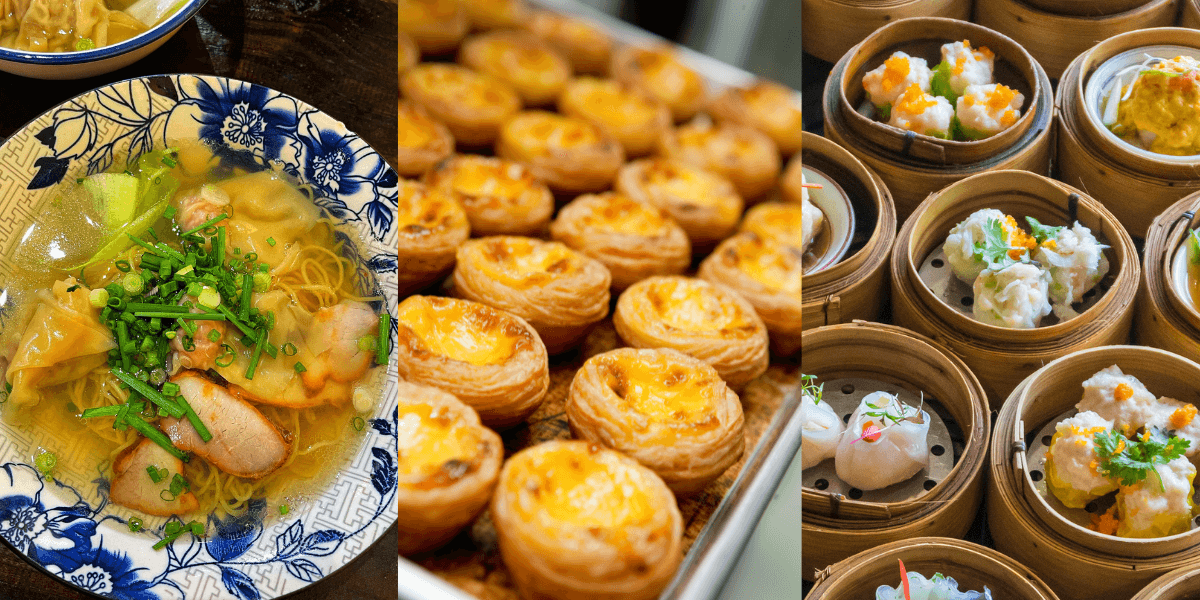
Hong Kong is one of the easiest places in Asia to eat well and one of the easiest places to overcomplicate. The city has world-class fine dining, old-school Cantonese institutions, mall restaurants, street snacks, bakeries, and cha chaan tengs packed into a transit system that makes it tempting to chase every famous name. For a first trip, the better move is to prioritize a few categories that define the city and fit them into neighborhoods you already plan to visit.
In Hong Kong, the practical approach is to let neighborhoods do some of the work. Prioritize Cantonese foods that are tightly tied to the city—dim sum, roast meats, wonton noodles, congee, milk tea, egg tarts, and street snacks—then fit them around ferries, trams, markets, and MTR routes.
Quick Answer
| Food to prioritize | Why it matters | Best itinerary use |
|---|---|---|
| Dim sum | Dim sum is the classic Cantonese tea-house meal: small plates, dumplings, buns, rice rolls, steamed items, fried items, and tea. | Dim sum fits perfectly before Central, Sheung Wan, Tsim Sha Tsui, or museum days. |
| Roast goose and roast meats | Roast goose is one of Hong Kong’s signature meals: lacquered skin, rich meat, rendered fat, and a savory-sweet marinade that makes plain rice feel necessary. | Best for a fast lunch or early dinner near Central, Wan Chai, Jordan, or Sham Shui Po depending on your route. |
| Wonton noodles | Hong Kong wonton noodles are a lesson in restraint: thin springy egg noodles, clear savory broth, and shrimp-forward wontons often tucked under the noodles so they do not overcook. | This is the ideal between-neighborhood meal: quick, affordable, and easy to fit before the Peak Tram, after a ferry ride, or between shopping areas. |
| Egg tarts and bakeries | Hong Kong egg tarts sit between Cantonese bakery culture and Portuguese influence through Macau. | Best as a mid-morning or mid-afternoon stop in Central, Sheung Wan, Wan Chai, Jordan, or near your hotel. |
| Claypot rice | Claypot rice is a cooler-weather Cantonese comfort dish where rice cooks in a clay pot with toppings like Chinese sausage, chicken, pork ribs, eel, or preserved meats. | Best as a dinner when you have a slower evening in Yau Ma Tei, Jordan, or another area known for traditional food. |
| Cha chaan teng breakfast | Cha chaan tengs are Hong Kong’s local cafes, born from a mix of Cantonese habits and Western-influenced diner food. | This is the best alternative to a hotel buffet on a sightseeing day. |
On a short Hong Kong trip, pick one proper dim sum meal, one roast meat or noodle counter, and one bakery or street-snack pass near where you are already walking. That beats crossing the harbor repeatedly for famous names when a very good option is two blocks away.
How I’d Think About Food in Hong Kong
Think in meal formats: dim sum for breakfast or lunch, roast meats for a fast classic meal, noodles when you are between neighborhoods, claypot rice for a slower dinner, and bakery or dessert stops when you are already nearby. Hong Kong food planning works best when you avoid making every meal a cross-harbor mission.
Hotel breakfast can be useful if it is included through status or a rate you were already going to book, but it can also block the exact foods you came to Hong Kong to eat. If breakfast is free in practice, use it lightly: coffee, fruit, maybe something small. Then leave room for dim sum, pineapple buns, or a cha chaan teng meal.
For value, Hong Kong rewards specificity. A simple noodle shop can be a better use of time and money than a mediocre upscale restaurant with skyline pricing. Spend on one meal that matters, but let the city’s efficient casual food do most of the work.
A useful Hong Kong food plan has three layers: booked meals where seating matters, fast local staples that rescue busy sightseeing days, and snack stops that fit the ferry-and-MTR rhythm. Value is speed, quality, and location working together, not simply finding the lowest bill.
The Foods Worth Prioritizing
Dim sum
Dim sum is the classic Cantonese tea-house meal: small plates, dumplings, buns, rice rolls, steamed items, fried items, and tea. Historically it is tied to yum cha, the practice of drinking tea with snacks, and in Hong Kong it ranges from old banquet halls to polished restaurants. The best bites balance texture: bouncy shrimp dumplings, soft barbecue pork buns, silky cheung fun, crisp spring rolls, and custardy egg tarts if the place does them.
How to find and order it: Go for breakfast or lunch. Order har gow, siu mai, char siu bao, cheung fun, turnip cake, and one or two wild cards. At traditional places, service can be brisk; at modern places, you may order by sheet or tablet. If carts are available, do not grab everything at once. Hot, fresh, and paced is better than a table full of cooling dumplings.
Where it fits in the itinerary: Dim sum fits perfectly before Central, Sheung Wan, Tsim Sha Tsui, or museum days. Skip it after a huge hotel buffet or when you only have 30 minutes. Treat it as a full meal, not a snack.
Practical mistakes, pricing, and payment notes: Common mistakes: over-ordering early, skipping tea, expecting every place to have carts, and booking a famous spot at a time that ruins the day. Pricing ranges from affordable to luxury. Cards work at many restaurants, but smaller tea houses may prefer cash or local payment methods. If you have a premium hotel breakfast benefit, do not let it replace your only dim sum slot.
Roast goose and roast meats
Roast goose is one of Hong Kong’s signature meals: lacquered skin, rich meat, rendered fat, and a savory-sweet marinade that makes plain rice feel necessary. Roast duck, char siu, soy sauce chicken, and crispy pork are also part of the siu mei universe. The taste is direct and satisfying: crisp skin where it should be crisp, juicy meat, and sauce that rewards eating with rice rather than treating the meat like a standalone steak.
How to find and order it: Order roast goose over rice, a two-meat rice plate, or a half/quarter goose if you are sharing. If the restaurant is known for goose, start there. At casual shops, point to photos or use the menu numbers. Lines can move quickly, but famous shops sell out, and not every branch is equal.
Where it fits in the itinerary: Best for a fast lunch or early dinner near Central, Wan Chai, Jordan, or Sham Shui Po depending on your route. It is a great first-day meal because it is specific to Hong Kong but not hard to understand.
Practical mistakes, pricing, and payment notes: The mistake is waiting an hour for a marginally better plate when your itinerary is already tight. Roast meats are usually strong value, but goose costs more than chicken or pork. Some small shops are cash-heavy; bring Hong Kong dollars. If you are using a no-foreign-transaction-fee card, use it where accepted, but do not hold up a tiny counter-service shop trying three cards.
Wonton noodles
Hong Kong wonton noodles are a lesson in restraint: thin springy egg noodles, clear savory broth, and shrimp-forward wontons often tucked under the noodles so they do not overcook. The flavor is not supposed to be huge and creamy. It should be simple, aromatic, and balanced, with noodles that snap back when you bite. This is why the dish is easy to underrate if you expect ramen-style richness.
How to find and order it: Order wonton noodles, dumpling noodles, or wonton soup with dry noodles on the side if you want more texture. Portions can be smaller than Western expectations, which is fine because Hong Kong is built for multiple food stops. Chili oil, red vinegar, or pickled green chilies can help, but taste first.
Where it fits in the itinerary: This is the ideal between-neighborhood meal: quick, affordable, and easy to fit before the Peak Tram, after a ferry ride, or between shopping areas. It does not work like a lingering dinner unless you add sides and go with the right group.
Practical mistakes, pricing, and payment notes: Common mistakes include comparing it to ramen, ordering too many heavy sides, or choosing a shop only because it is closest to a tourist attraction. Value is usually excellent. Payment varies: mall shops may take cards, older noodle houses may be cash-first. Keep small bills for faster meals.
Egg tarts and bakeries
Hong Kong egg tarts sit between Cantonese bakery culture and Portuguese influence through Macau. You will see cookie-crust versions that are tender and crumbly and puff-pastry versions that are flaky and buttery. The custard should be warm, soft, eggy, and lightly sweet. A good tart is a small thing that can become one of the strongest food memories of the trip because it is easy, cheap, and tied to daily life.
How to find and order it: Look for bakeries with turnover. Warm tarts matter more than a famous name if the famous name requires a long detour. Try both crust styles if you care, and add a pineapple bun or wife cake if you want a broader bakery stop. Eat soon; egg tarts are not improved by spending six hours in a backpack.
Where it fits in the itinerary: Best as a mid-morning or mid-afternoon stop in Central, Sheung Wan, Wan Chai, Jordan, or near your hotel. It is especially useful when you want something local without committing to a full meal.
Practical mistakes, pricing, and payment notes: The mistake is treating bakeries as filler and then wasting stomach space on generic desserts. Prices are low, so value is high, but small cash purchases are common. If you want to use a card, larger chains are easier. Do not buy a box on day one unless you know you will eat it soon.
Claypot rice
Claypot rice is a cooler-weather Cantonese comfort dish where rice cooks in a clay pot with toppings like Chinese sausage, chicken, pork ribs, eel, or preserved meats. The prize is the crispy rice crust at the bottom, seasoned with soy sauce and fat from the toppings. The flavor is smoky, savory, and textural. The wait is part of the point.
How to find and order it: Order a classic sausage claypot, chicken and mushroom, pork ribs, or eel if available. Add soy sauce gradually; you can always add more, but you cannot undo drowning the rice. Give the pot time, and scrape the bottom for the crust. If staff warns you it will take a while, believe them.
Where it fits in the itinerary: Best as a dinner when you have a slower evening in Yau Ma Tei, Jordan, or another area known for traditional food. Do not cram it in before a timed ticket or airport transfer.
Practical mistakes, pricing, and payment notes: Common mistakes: arriving too late when popular shops are slammed, rushing the dish, and ignoring the rice crust. Pricing is usually reasonable, especially for sharing, but cash may be expected at old-school places. If you are traveling in hot, humid weather, decide whether you want a heavy claypot dinner or a lighter meal.
Cha chaan teng breakfast
Cha chaan tengs are Hong Kong’s local cafes, born from a mix of Cantonese habits and Western-influenced diner food. The menus can look chaotic: macaroni soup with ham, scrambled eggs, toast, pineapple buns with butter, milk tea, instant noodles, pork chop buns, and rice plates. The taste is practical comfort food rather than luxury. The cultural value is high because this is everyday Hong Kong.
How to find and order it: Order a breakfast set, Hong Kong-style milk tea, scrambled eggs on toast, macaroni soup, or a pineapple bun with butter. Service is efficient and direct. Know what you want, share tables if needed, and do not expect a long explanation of the menu during the rush.
Where it fits in the itinerary: This is the best alternative to a hotel buffet on a sightseeing day. It works before markets, ferries, museums, or a long transit day. If you have lounge breakfast included, use the lounge for coffee and still leave room for a full local breakfast.
Practical mistakes, pricing, and payment notes: The mistake is expecting brunch aesthetics. Cha chaan tengs are about speed, price, and local rhythm. Many are cash-friendly and inexpensive, so small bills help. The value is excellent because you get a meal and a cultural snapshot for less than the service charge at many hotels.
Payment, Booking, and Value Notes
Hong Kong is one of the easiest places to eat well without turning meals into a project, but value changes dramatically by neighborhood and setting. A roast meat shop in Sheung Wan, a cha chaan teng in Mong Kok, a wonton noodle counter in Central, and a hotel dim sum room can all be worthwhile; they just solve different trip problems.
For classic local meals, bring some cash or an Octopus card and expect tight seating, fast service, and limited patience for lingering. Many small shops are still built for turnover. That is part of the appeal, but it means you should know your order, share tables when needed, and move along when you are done.
Reservations matter most for proper dim sum, nicer Cantonese seafood, and popular roast goose or hot pot dinners. For everyday eating, the better strategy is clustering meals around where you already are: wonton noodles near a tram ride, pineapple bun after a market walk, egg tart near a ferry crossing. Hong Kong rewards opportunistic eating more than rigid scheduling. Spend where the technique is hard to replicate, not where the room simply looks expensive.
Common Mistakes
The most common Hong Kong food mistake is treating the city like one long luxury dining reservation. Fine dining can be excellent, but if you skip cha chaan teng breakfasts, roast meat over rice, congee, egg waffles, dai pai dong-style stir-fries, and quick noodle counters, you miss the pace that makes Hong Kong food so useful to travelers.
Do not judge a place only by comfort. Some of the best meals involve stools, shared tables, brisk service, and no one explaining the menu for ten minutes. That is normal. At the same time, do not romanticize inconvenience. If a famous shop has a punishing line and you only have three days, a very good nearby alternative may be the better travel decision.
Another mistake is stacking too many heavy Cantonese meals back to back. Roast goose, dim sum, claypot rice, hot pot, and milk tea are all great, but your itinerary will feel better if you mix in congee, noodles, fruit, or a lighter seafood meal. Also watch neighborhood timing: Central is not Mong Kok, and crossing the harbor for one snack can cost more time than the snack is worth.
A Simple Food Plan for a First Trip
For a first Hong Kong trip, build meals around movement. Start one morning with a cha chaan teng breakfast: scrambled egg sandwich, macaroni soup if you are curious, and hot milk tea. Use another morning for congee, rice rolls, or pineapple bun depending on your neighborhood.
Make dim sum a proper sit-down meal, ideally when you are not rushed between attractions. Add one roast goose or roast pork meal, one wonton noodle stop, one street-snack pass for egg waffles or fish balls, and one dinner that feels more social: claypot rice in cooler weather, hot pot with a group, or Cantonese seafood if you want a splurge.
Do not schedule every bite. Hong Kong is dense enough that snacks should appear naturally between the Star Ferry, trams, markets, and MTR rides. The goal is not to prove you found every famous shop; it is to let the city feed you as you move through it.
Bottom Line: Best Foods to Try in Hong Kong
On a first Hong Kong trip, prioritize dim sum, wonton noodles, roast goose or char siu rice, egg tarts, cha chaan teng meals, and claypot rice because those foods are tied to the city’s everyday eating habits, immigrant influences, markets, or regional history. Match meals to the neighborhoods you are already visiting instead of turning every famous bite into a separate detour. The best food day has a few strong local choices, realistic timing, and enough flexibility that you can still enjoy the city between meals.