In this article
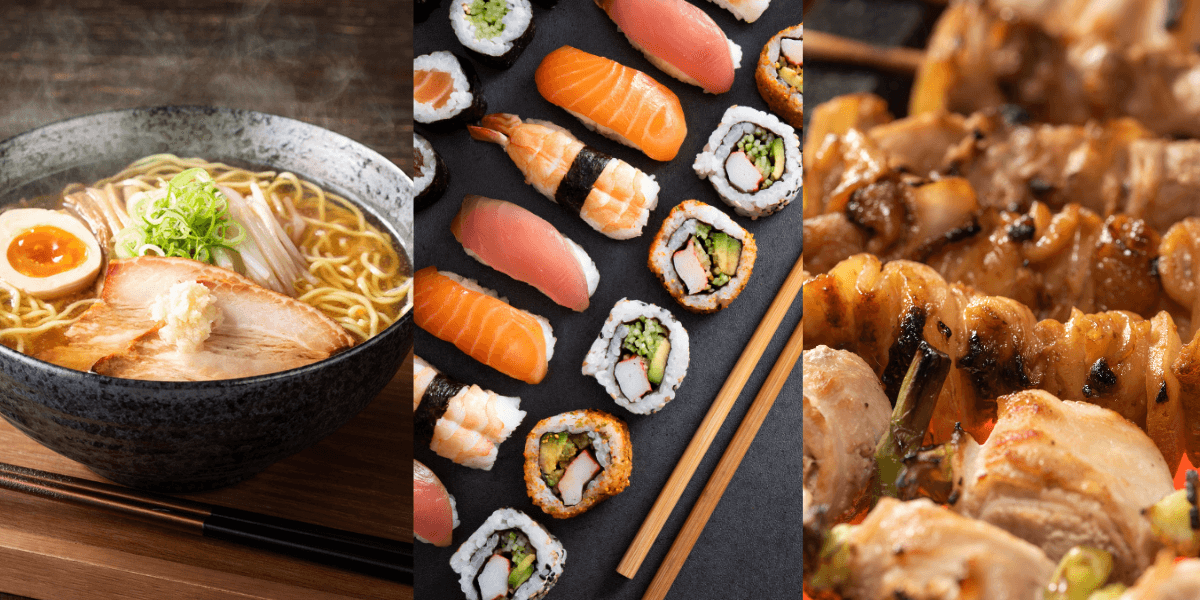
Tokyo is the easiest city in the world to turn into food homework. There are too many great restaurants, too many ranking lists, and too many neighborhoods where a better version of dinner might be one train stop away. For a first trip, the goal is not to “complete” Tokyo food. The goal is to eat a few categories well, avoid itinerary-breaking lines, and use the city’s convenience to your advantage.
In Tokyo, the practical approach is to anchor a few meals you care about and let the city handle the rest. Prioritize sushi, ramen, soba, yakitori, tempura, depachika food, bakeries, and station-area meals by neighborhood rather than by a citywide ranking.
Quick Answer
| Food to prioritize | Why it matters | Best itinerary use |
|---|---|---|
| Sushi | Tokyo sushi ranges from convenience-store rolls to standing counters to once-in-a-lifetime omakase. | Sushi fits best as a planned lunch or early dinner on a day with lighter meals. |
| Ramen | Tokyo is one of the world’s best ramen cities: shoyu, shio, miso, tonkotsu, tsukemen, tantanmen, niboshi, chicken paitan, and more. | Ramen is ideal for solo meals, late lunches, rainy days, and post-arrival hunger. |
| Tonkatsu | Tonkatsu is breaded, deep-fried pork cutlet, but Tokyo’s better versions show why simple food can be worth a sit-down meal. | Tonkatsu is a reliable lunch or dinner when you want a real meal without navigating a tasting menu. |
| Yakitori | Yakitori is grilled chicken skewers cooked over charcoal, but the category is much broader than chicken breast on a stick. | Yakitori is best as a planned dinner when you want atmosphere and pacing. |
| Convenience-store snacks | Tokyo convenience stores are not magic restaurants, but they are exceptional travel infrastructure. | Best for breakfast before an early train, a snack after landing, or a hotel-room reset when everyone is too tired for dinner. |
| Depachika food halls | Depachika are department-store basement food halls, and Tokyo’s versions are some of the best practical food experiences in the city. | Best for rainy nights, hotel-room dinners, train bentos, gifts, or evenings when reservations feel like too much. |
On a short Tokyo trip, pick one reserved meal, one casual counter meal, and one flexible food-hall or convenience-store backup. That mix keeps you fed well without turning every day into train transfers between viral restaurants.
How I’d Think About Food in Tokyo
Divide meals into three buckets: one or two reservation meals you truly care about, reliable casual meals near where you already are, and convenience food that solves logistics. Tokyo is so dense that a good nearby meal often beats a famous meal across town, especially when jet lag, rain, or shopping fatigue enters the chat.
Do not let hotel status make bad food decisions. A good hotel breakfast can be valuable before an early train or business day. But if it causes you to skip sushi lunch, ramen, coffee shops, convenience-store breakfast experiments, or a depachika dinner, the “free” benefit may be costing you the actual trip experience.
For cards and points, prioritize location first. A hotel in the wrong area because it was a redemption can quietly tax every meal with extra train time. Tokyo transit is excellent, but your appetite has a schedule. Stay where your sightseeing and food plans overlap.
A useful Tokyo food plan has three layers: reservations for scarce counters, neighborhood staples around your sightseeing, and low-effort backups for late nights or jet lag. Value is avoiding unnecessary cross-city detours while still eating meals that feel specific to Tokyo.
The Foods Worth Prioritizing
Sushi
Tokyo sushi ranges from convenience-store rolls to standing counters to once-in-a-lifetime omakase. Historically, Edomae sushi developed around Tokyo Bay with techniques like curing, marinating, simmering, and brushing fish with sauce to preserve and enhance flavor. Modern Tokyo still rewards that precision. The taste should be precise and balanced: seasoned rice, fish temperature, texture, vinegar, wasabi, and soy working together rather than giant pieces of fish on cold rice.
How to find and order it: Decide what level you want. For most first-timers, one better sushi lunch is smarter than chasing an impossible dinner reservation. Order a set, chirashi, standing sushi, conveyor-belt sushi, or omakase depending on budget and comfort. At serious counters, be on time, avoid heavy perfume, and do not treat the chef like a video prop.
Where it fits in the itinerary: Sushi fits best as a planned lunch or early dinner on a day with lighter meals. Toyosu can work if you are already visiting, but you do not need to wake up at 4 a.m. for good sushi. Neighborhood counters can be excellent.
Practical mistakes, pricing, and payment notes: Mistakes: assuming expensive always means better for your trip, booking a rigid meal on your jet-lag day, and comparing every bite to internet rankings. Pricing ranges from under ¥2,000 casual sets to serious splurges. Higher-end spots often require reservations and may have cancellation fees. Cards vary; confirm payment policies when booking.
Ramen
Tokyo is one of the world’s best ramen cities: shoyu, shio, miso, tonkotsu, tsukemen, tantanmen, niboshi, chicken paitan, and more. The city’s strength is variety, not one mandatory style. A great bowl might be clear and delicate or thick and intense. The common thread is focus: broth, noodles, aroma oil, tare, and toppings built for that shop’s style.
How to find and order it: Pick a style before picking a shop. Use ticket machines by inserting cash or tapping payment where available, selecting the bowl, handing the ticket over, and waiting. If there is a line, watch how locals behave. Many ramen shops are small; do not linger after finishing.
Where it fits in the itinerary: Ramen is ideal for solo meals, late lunches, rainy days, and post-arrival hunger. It works poorly as a long group meal if six people want to talk for two hours. Keep a few pins near Shinjuku, Shibuya, Tokyo Station, Ginza, or your hotel rather than crossing town for one bowl.
Practical mistakes, pricing, and payment notes: Mistakes: treating ramen as a top-ten scavenger hunt, ordering the largest bowl because you waited, and missing cash requirements at older ticket machines. Value is strong because a memorable bowl can cost less than a hotel cocktail. Carry small bills; newer shops may accept IC cards or cards, but cash remains useful.
Tonkatsu
Tonkatsu is breaded, deep-fried pork cutlet, but Tokyo’s better versions show why simple food can be worth a sit-down meal. You choose loin or fillet, sometimes specific pork breeds, and the plate arrives with shredded cabbage, rice, miso soup, pickles, sauce, mustard, and often salt. The taste is about contrast: crisp panko, juicy pork, sweet-savory sauce, sharp mustard, and cabbage that resets each bite.
How to find and order it: Order rosu for richer loin or hire for leaner fillet. If the restaurant offers salt, try the first bite with salt before sauce. Refill cabbage or rice if offered, but do not overdo it before the cutlet arrives. Popular places can have long lines, so go early or choose a branch near your route.
Where it fits in the itinerary: Tonkatsu is a reliable lunch or dinner when you want a real meal without navigating a tasting menu. It fits well around shopping in Ginza, Shinjuku, or Ueno, and it is great on a day when sushi or yakitori feels too reservation-dependent.
Practical mistakes, pricing, and payment notes: Common mistakes: waiting two hours for a famous name when a very good shop is nearby, ordering the fattiest cut if you do not like rich pork, and drowning everything in sauce. Pricing can be moderate to premium, but value is visible because quality differences are obvious. Cards are more common at polished restaurants; small counters may prefer cash.
Yakitori
Yakitori is grilled chicken skewers cooked over charcoal, but the category is much broader than chicken breast on a stick. Thigh, wing, meatball, skin, liver, heart, cartilage, vegetables, and seasonal specials all appear. The best shops control heat and seasoning carefully, using salt or tare sauce depending on the cut. The taste is smoky, focused, and incremental: many small bites instead of one large entree.
How to find and order it: For a first visit, order an omakase skewer course or ask for recommendations. If you are not into offal, say so politely or choose a shop with English-friendly menus. Counter seats are part of the experience because you can watch the grill. Reservations matter for better places, especially small counters.
Where it fits in the itinerary: Yakitori is best as a planned dinner when you want atmosphere and pacing. It works well in neighborhoods like Shinjuku, Ebisu, Ginza, Nakameguro, or near your hotel. Casual alley versions can be fun, but do not confuse tourist atmosphere with best food.
Practical mistakes, pricing, and payment notes: Mistakes: expecting huge portions, booking too late for a jet-lagged group, and assuming every skewer will be familiar. Pricing varies from cheap drinking food to expensive courses. Confirm whether there is a seating charge, course requirement, or cash-only policy. If using a concierge or booking platform, compare fees against the meal’s actual value.
Convenience-store snacks
Tokyo convenience stores are not magic restaurants, but they are exceptional travel infrastructure. Onigiri, egg sandwiches, fried chicken, yogurt, bottled coffee, salads, seasonal desserts, and hot drinks solve real travel problems. The taste is consistent and often better than it needs to be. For jet lag, early trains, late arrivals, and hotel rooms without room service value, this matters.
How to find and order it: Try a few categories: tuna mayo or salmon onigiri, egg salad sandwich, famichiki or similar fried chicken, seasonal desserts, and bottled tea or coffee. Learn how to open onigiri packaging so the seaweed stays crisp. Use convenience stores to supplement meals, not replace every meal.
Where it fits in the itinerary: Best for breakfast before an early train, a snack after landing, or a hotel-room reset when everyone is too tired for dinner. It also works on day trips to Kamakura, Nikko, Hakone, or Disney.
Practical mistakes, pricing, and payment notes: Mistakes: making convenience stores the personality of the trip, ignoring actual restaurants, or buying too many sweets because they are cute. Prices are low, payment is easy, and foreign cards often work at major chains, but carry cash or IC card anyway. The value is time and flexibility more than culinary greatness.
Depachika food halls
Depachika are department-store basement food halls, and Tokyo’s versions are some of the best practical food experiences in the city. You can find sushi, bento, tempura, salads, yakitori, fruit, wagashi, cakes, and regional specialties in one dense space. The advantage is not just quality; it is optionality. Everyone can choose what they want without committing to a restaurant.
How to find and order it: Go to places like Isetan, Mitsukoshi, Takashimaya, Daimaru, or department stores connected to major stations. Arrive before peak closing markdowns if you want full selection. Build a meal deliberately: one main, one vegetable, one snack, one dessert. Ask or point when needed; staff are used to busy counters.
Where it fits in the itinerary: Best for rainy nights, hotel-room dinners, train bentos, gifts, or evenings when reservations feel like too much. It is also a smart move if your hotel room has a good view but room service pricing is absurd.
Practical mistakes, pricing, and payment notes: Mistakes: showing up five minutes before closing and expecting everything, buying fragile desserts before a long commute, and forgetting chopsticks or napkins. Payment is generally card-friendly in department stores, and value is strong because you can eat high-quality prepared food without restaurant pacing or minimums.
Payment, Booking, and Value Notes
Tokyo can be either wonderfully easy or strangely frustrating depending on how tightly you plan. The city has excellent food at almost every price point, but the best value is often in ordinary formats: ramen tickets, standing sushi, department-store basements, neighborhood izakaya, curry shops, bakeries, and set meals near train stations.
Cash is still helpful for ramen shops, older counters, tiny bars, and ticket machines, even though card acceptance is much better than it used to be. Keep small bills and coins, especially if you plan to eat at casual places. Reservations matter for sushi counters, tempura, yakitori, kaiseki, and popular izakaya, but not every good Tokyo meal needs to be booked weeks ahead.
The main value trap is over-scheduling. If every lunch requires a train transfer and every dinner is a reservation, Tokyo starts feeling like operations work. Anchor the trip with a few meals you care about, then use neighborhoods intelligently: eat sushi around Toyosu or Ginza if you are already nearby, ramen after a late night, depachika food when you want a low-effort hotel-room dinner, and convenience-store snacks when the day runs long.
Common Mistakes
The classic Tokyo food mistake is assuming the best meal must be the hardest one to book. Some reservations are worth the effort, but first-timers can eat extremely well without turning the trip into a spreadsheet of counters, deposits, and cancellation rules.
Do not cross the city for every famous bowl of ramen or viral pancake. Tokyo’s transit is excellent, but a 35-minute detour each way still costs energy. Pair food with neighborhoods you already plan to visit: Asakusa snacks with Senso-ji, Shinjuku izakaya after nightlife, Ginza sushi or depachika with shopping, Shimokitazawa cafes with wandering.
Another mistake is ignoring meal pacing. Ramen, tonkatsu, tempura, yakitori, sushi, and convenience-store desserts are all appealing, but three heavy meals in one day will slow you down. Build in soba, onigiri, fruit, coffee, or a lighter set meal. Also learn basic etiquette for small shops: do not linger at ramen counters, do not split one tiny order across a group, and do not expect every place to handle dietary restrictions or English explanations smoothly.
A Simple Food Plan for a First Trip
For a first Tokyo trip, choose one or two reserved meals at most unless dining is the whole purpose of the trip. A sushi counter, tempura lunch, yakitori dinner, or nicer izakaya can be a great anchor. Around those, keep the rest flexible.
Use ramen or curry as an arrival or late-night meal because it is efficient and satisfying. Add one soba or udon meal for balance, one depachika run for snacks or an easy dinner, one convenience-store breakfast or onigiri morning, and one neighborhood cafe or bakery stop when you need a slower start.
If you visit Toyosu, decide whether you want the early market experience or just good sushi. If you want wagyu, book a focused meal rather than casually adding expensive beef after a full day of eating. Tokyo rewards restraint: leave enough room for the unplanned snack you find on the walk back to the station.
Final Take
On a first Tokyo trip, prioritize sushi, ramen, izakaya meals, depachika food halls, tonkatsu, yakitori, convenience-store breakfasts, and neighborhood cafes because those foods are tied to the city’s everyday eating habits, immigrant influences, markets, or regional history. Match meals to the neighborhoods you are already visiting instead of turning every famous bite into a separate detour. The best food day has a few strong local choices, realistic timing, and enough flexibility that you can still enjoy the city between meals.