In this article
Quick Answer
For IHG One Rewards in Tokyo, location should decide the shortlist before the fourth-night-free math does. The main hotels to compare are ANA InterContinental Tokyo, The Strings by InterContinental Tokyo, InterContinental Tokyo Bay, Kimpton Shinjuku Tokyo, and Hotel Indigo Tokyo Shibuya. Use the table below to narrow the Tokyo options, then check the cash rate and points price on your dates before transferring points or locking in a certificate.
| Best choice | Use it for | Be careful if... |
|---|---|---|
| ANA InterContinental Tokyo | business, Roppongi/Akasaka access, club-style stays, and a central full-service base | Large classic hotels depend heavily on room type and lounge or breakfast access. |
| The Strings by InterContinental Tokyo | Shinkansen, Haneda access, polished business stays, and quieter transit-focused trips | Great for transit can still be less fun for first-timers. |
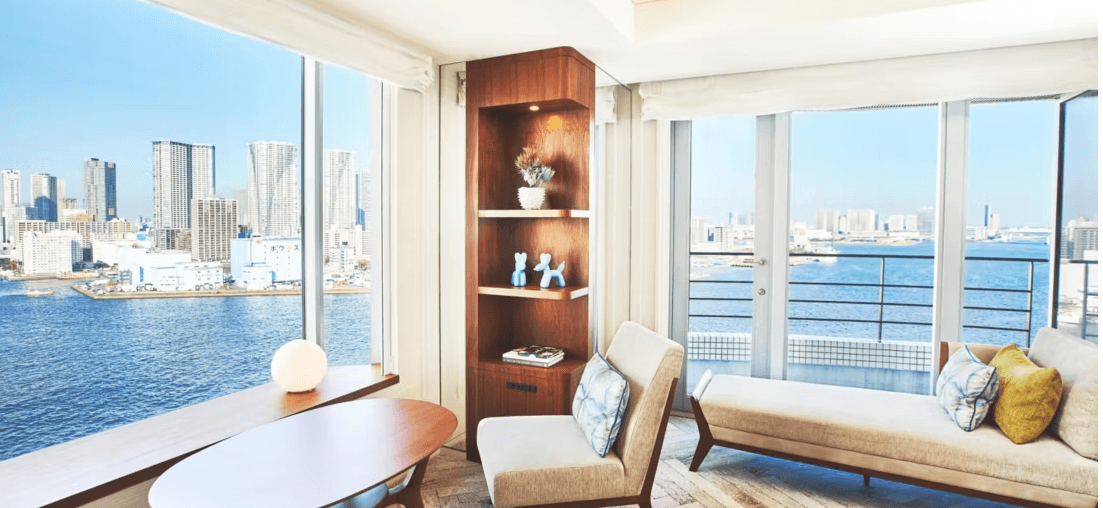
| InterContinental Tokyo Bay | bay views, events, Haneda/monorail access, and quieter waterfront stays | Check station walks and whether waterfront views are worth the extra transit. |
| Kimpton Shinjuku Tokyo | lifestyle stays, Shinjuku access, and a smaller-feeling IHG hotel | The west-side location is useful but not the same as being next to Shinjuku Station. |
| Hotel Indigo Tokyo Shibuya | Shibuya, Harajuku, Daikanyama, nightlife, and younger leisure trips | If the price is high, compare against cash hotels and Hyatt or Marriott nearby. |
How I’d Choose an IHG Hotel in Tokyo
Choose the neighborhood first, then check IHG One Rewards. In Tokyo, that means comparing Ginza, Tokyo Station, Roppongi, Shinjuku, Shibuya, Shinagawa, Odaiba, or Maihama against the places you will visit every day. Tokyo punishes the wrong rail pattern. A hotel can be excellent and still add transfers every morning.
After the location works, price the stay with and without the fourth-night-free benefit. If you would not stay four nights in that Tokyo area without the card benefit, do not force the IHG booking.
The Best IHG Hotels to Consider
ANA InterContinental Tokyo

Best for: business, Roppongi/Akasaka access, club-style stays, and a central full-service base. Skip if: you want Shibuya or Shinjuku nightlife outside the door.
I would look at ANA InterContinental Tokyo when the trip calls for business, Roppongi/Akasaka access, club-style stays, and a central full-service base. If you want Shibuya or Shinjuku nightlife outside the door, this is probably not the right starting point.
At ANA InterContinental Tokyo, I would compare the paid rate and points rate before assuming the card benefit changes the decision.
The Strings by InterContinental Tokyo
Best for: Shinkansen, Haneda access, polished business stays, and quieter transit-focused trips. Skip if: you want classic Tokyo neighborhood energy.
I would look at The Strings by InterContinental Tokyo when the trip calls for Shinkansen, Haneda access, polished business stays, and quieter transit-focused trips. If you want classic Tokyo neighborhood energy, this is probably not the right starting point.
At The Strings by InterContinental Tokyo, I would compare the paid rate and points rate before assuming the card benefit changes the decision.
InterContinental Tokyo Bay
Best for: bay views, events, Haneda/monorail access, and quieter waterfront stays. Skip if: Shibuya, Shinjuku, or Asakusa-heavy trips.
InterContinental Tokyo Bay belongs on the shortlist for bay views, events, Haneda/monorail access, and quieter waterfront stays. If your trip is really about Shibuya, Shinjuku, or Asakusa-heavy trips, I would be cautious.
Use IHG points at InterContinental Tokyo Bay when the location and length of stay already work. Do not stretch the itinerary around InterContinental Tokyo Bay just to use the program.
Kimpton Shinjuku Tokyo
Best for: lifestyle stays, Shinjuku access, and a smaller-feeling IHG hotel. Skip if: you need direct station adjacency or a classic luxury hotel.
Kimpton Shinjuku Tokyo is most useful for lifestyle stays, Shinjuku access, and a smaller-feeling IHG hotel. If you need direct station adjacency or a classic luxury hotel, this is probably not the right starting point.
For IHG, check the dynamic points price at Kimpton Shinjuku Tokyo against the paid rate. For Kimpton Shinjuku Tokyo, fourth-night-free math only helps if you wanted that location for four nights.
Hotel Indigo Tokyo Shibuya

Best for: Shibuya, Harajuku, Daikanyama, nightlife, and younger leisure trips. Skip if: you want large rooms or quiet resort-style luxury.
Hotel Indigo Tokyo Shibuya is most useful for Shibuya, Harajuku, Daikanyama, nightlife, and younger leisure trips. If you want large rooms or quiet resort-style luxury, this is probably not the right starting point.
For IHG, check the dynamic points price at Hotel Indigo Tokyo Shibuya against the paid rate. For Hotel Indigo Tokyo Shibuya, fourth-night-free math only helps if you wanted that location for four nights.
Points, Cards, and Booking Strategy
For Tokyo, I would price IHG points against the hotel you would otherwise book in the same neighborhood. For Tokyo, taxes, local fees, cancellation rules, and room type can still change the answer.
How the Main IHG Choices Break Down
IHG in Tokyo works best when you match the property to the part of the city you will use every day. ANA InterContinental Tokyo is the most obvious full-service choice for many visitors because Akasaka/Roppongi/Toranomon access can be convenient for dining, taxis, business districts, and central sightseeing. The neighborhood is more businesslike than charming, but it can be efficient for a trip that moves between Ginza, Roppongi, Akasaka, and Tokyo Station.
The Strings by InterContinental Tokyo is a different kind of answer. Shinagawa is useful for rail connections, airport movement, and trips that include Yokohama, Kyoto/Osaka transfers, or early departures. It can feel too business-oriented if the goal is late-night Tokyo energy, but it can save time when the itinerary has train logistics.
Kimpton Shinjuku Tokyo and Hotel Indigo Tokyo Shibuya are the lifestyle options. Kimpton makes more sense when you want Shinjuku access, larger-city energy, and a hotel that feels less corporate. Hotel Indigo Tokyo Shibuya is about the neighborhood: shopping, restaurants, nightlife, and walkability. These hotels can be fun cash stays, but I would compare award pricing carefully because dynamic IHG pricing can erase the value advantage.
InterContinental Tokyo Bay is the one I would handle cautiously for a normal sightseeing trip. It can work for bay views, events, or specific plans around the waterfront. It is usually weaker if every day sends you back toward Shinjuku, Shibuya, Ginza, Asakusa, and central Tokyo restaurants.
One more filter: check whether the IHG rate is solving a problem or just giving you a familiar logo. For a four-night stay, the eligible-card fourth-night-free benefit can turn a borderline award into a good booking. For a two-night stay with dynamic pricing, the same property may lose to a paid boutique hotel near the station you need. Tokyo has enough excellent independent and local-chain hotels that loyalty should not be the first filter. Start with the map, then see whether IHG helps.
For longer Tokyo trips, a split stay can make sense only when the hotels serve different parts of the itinerary. ANA InterContinental or The Strings can cover business, rail, and central plans; Kimpton or Hotel Indigo can cover nightlife and shopping. If both hotels create the same transit pattern, keep one base and spend the saved time eating, shopping, or resting.
When I’d Pay Cash Instead
For families or travelers with large bags, station access and taxi time may matter more than the difference between two similar IHG brands.
Pay cash when the IHG option is outside the part of Tokyo you will use, when award pricing is high, or when another hotel gives you the same convenience for less money. For Tokyo, compare against the hotel you would realistically book, not a padded rate you would ignore.
Common Mistakes
- Assuming the strongest IHG logo automatically fits the Tokyo itinerary.
- Booking the highest-end property before checking the neighborhood.
- Treating airport, resort, business, and sightseeing hotels as interchangeable.
- Using points because the math looks good while ignoring transit time.
- Counting breakfast, lounges, or upgrades you would not use.
- Forgetting to check cancellation rules, fees, room category, and recent guest reports.
- Ignoring a better-located cash hotel.
What to Check Before Booking
Before booking, confirm the live award price, fourth-night-free eligibility, fees, cancellation rules, and room type. If the Tokyo stay only works because of the card math, make sure you still want that location.
If Award Space Is Bad
If IHG One Rewards pricing looks weak, do not force it. In Tokyo, I would also check other hotel programs, bank-portal rates, preferred-program cash rates, and well-located local hotels before deciding.
Flexible points are valuable because you can walk away. If transferring into IHG One Rewards creates a worse Tokyo itinerary, keep the points and book the hotel that makes the trip easier.
Final Take
For Tokyo, start with ANA InterContinental Tokyo, The Strings by InterContinental Tokyo, InterContinental Tokyo Bay, and Kimpton Shinjuku Tokyo when you want to use IHG One Rewards, but only keep the booking if the location matches the itinerary. Use points, certificates, or card benefits when they reduce trip cost without pushing you away from Ginza/Tokyo Station, Shinjuku, Shibuya, Roppongi/Akasaka, Shinagawa, Odaiba, and Maihama depending on the trip. If the IHG search sends you to the wrong Tokyo base, pay cash or use another program instead.