In this article
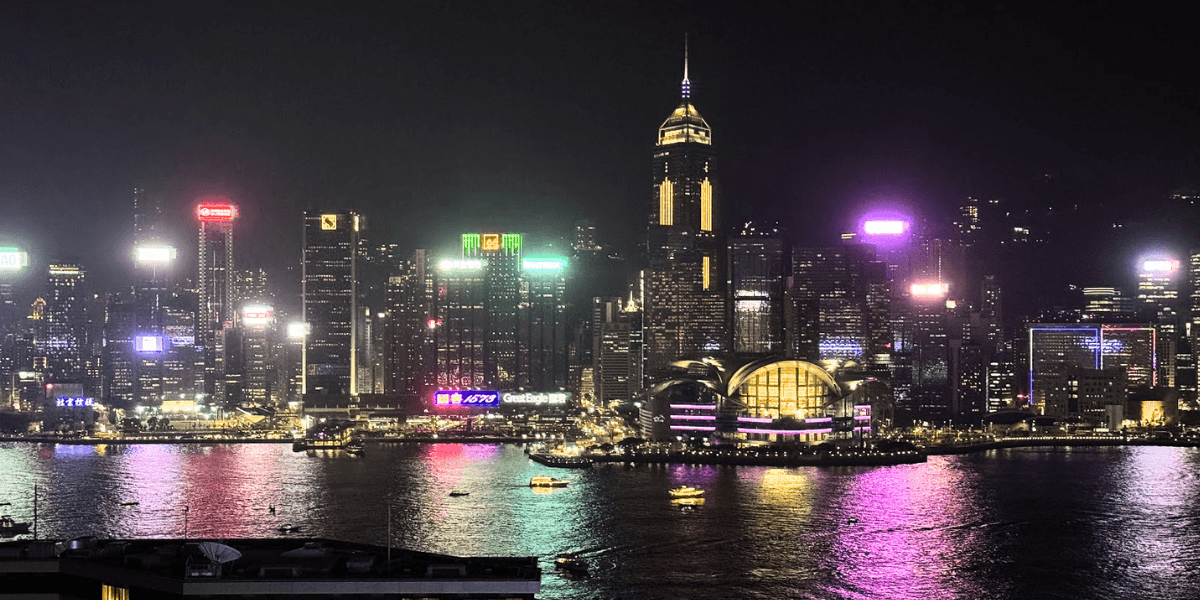
Hong Kong is easiest when you plan by layers: harbor side, hill or flat routes, and where you want to be after dinner. The city looks compact on a map, but stairs, humidity, crowds, and station exits make exact location matter. A strong first visit gives you the skyline and ferries without forgetting noodles, bakeries, markets, and slow neighborhood time. You do not need to conquer the whole territory; you need a trip that still feels good when it is hot, raining, or you are tired.
Quick Answer
For a first trip to Hong Kong, choose your harbor side deliberately, keep ferry and MTR routes simple, and leave weather flexibility for viewpoints. Spend for location when it saves hills, heat, or late-night transit; skip any “deal” that strands you away from the meals and neighborhoods you came for.
| Decision | Simple answer |
|---|---|
| Best starting areas | Central / Admiralty, Tsim Sha Tsui, Sheung Wan / Sai Ying Pun |
| Foods to prioritize | dim sum, wonton noodles, roast goose or char siu rice, egg tarts, cha chaan teng breakfast, claypot rice or dai pai dong-style meals |
| Activities to prioritize | Ride the Star Ferry and walk the harbor, Do Victoria Peak, but choose the timing carefully, Spend a half day in Central, Sheung Wan, and Sai Ying Pun |
| Best planning rule | One main anchor per day, then nearby meals and optional stops |
| Biggest mistake | Booking around a deal instead of the map |
How to Think About a First Trip
Before booking, decide whether this is a harbor-and-neighborhood trip, a food trip, a Macau or island add-on trip, or a hotel-centered stay. That answer should drive the base. Central is efficient, Tsim Sha Tsui is view-heavy, and Sheung Wan or Sai Ying Pun gives you smaller streets with quick access to the core. Leave one flexible half-day because Hong Kong weather and visibility can change the value of the Peak, beaches, and outdoor viewpoints. If the sky is clear, move the view day up. If the weather does not cooperate, eat well and use transit-heavy indoor areas.
Where to Stay
For hotels, think about the journey back at night. A room on the wrong hill, the wrong side of a station, or a long footbridge can feel fine at noon and annoying after dinner. Pick the side of the harbor intentionally, then check whether your plan relies more on MTR, ferry, tram, taxi, or airport rail.
| Area | Why it works |
|---|---|
| Central / Admiralty | best if you want the simplest transport base |
| Tsim Sha Tsui | best if skyline views |
| Sheung Wan / Sai Ying Pun | best for cafes |
Central / Admiralty
Best for: best if you want the simplest transport base, easy harbor access, polished hotels, and a simple launch point for the Peak, ferries, and business-district meals. Skip if: skip if you want cheaper rooms or a more local evening scene.
Central and Admiralty are strong when the trip depends on ferries, trams, airport rail, the Peak, and efficient Hong Kong Island movement. The area can be expensive and businesslike, but it removes a lot of decision fatigue.
Tsim Sha Tsui
Best for: best if skyline views, museums, harbor walks, and Kowloon food are central to the trip. Skip if: skip if you dislike crowded promenades and tour-group energy.
Tsim Sha Tsui is about harbor views, museums, shopping, and a classic Kowloon base. Pick it when you want the skyline and waterfront walks often. Avoid assuming every TST hotel is equal; some blocks are much easier with luggage and crowds than others.
Sheung Wan / Sai Ying Pun
Best for: best for cafes, smaller restaurants, tram access, and a neighborhood feel near Central. Skip if: skip if you need a big-brand hotel cluster outside the door.
Sheung Wan and Sai Ying Pun suit travelers who want cafes, smaller restaurants, trams, and a more neighborhood feel while staying close to Central. Hills matter here, so check the walk from transit before committing.
What to Eat
Hong Kong food planning should be loose but intentional. Anchor the trip with one dim sum meal, one noodle or roast-meat stop, one bakery moment, and one casual dinner that does not require dressing up or crossing town. The city rewards repeat snacking more than rigid reservations.
- Dim Sum — Plan one proper dim sum meal and keep the rest flexible; the meal is about pacing and variety, not ordering every basket on the menu.
- Wonton Noodles — A bowl of wonton noodles is a good low-commitment lunch when humidity or jet lag makes a big meal sound impossible.
- Roast Goose Or Char Siu Rice — Roast meats are ideal when you want high flavor without a long reservation process; go before peak meal times if possible.
- Egg Tarts — Egg tarts are an easy bakery stop, and having one good version near your route is more useful than crossing town for a marginal favorite.
- Cha Chaan Teng Breakfast — A cha chaan teng breakfast gives you milk tea, eggs, toast, noodles, and local rhythm in one practical stop.
- Claypot Rice Or Dai Pai Dong-Style Meals — Save claypot rice or dai pai dong-style eating for a night when you can linger and do not mind a little smoke, noise, or waiting.
Balance planned meals with opportunistic eating. A dim sum reservation can anchor one morning, but bakeries, noodle shops, roast-meat counters, and milk-tea breaks should stay flexible. If a stop requires two transfers and a line, it needs to be meaningfully better than the excellent option near your route.
What to Do
For activities, pair transportation with place: ferry plus waterfront, tram plus neighborhood, escalator plus market, viewpoint plus flexible weather. The route should teach you how the city fits together.
Ride the Star Ferry and walk the harbor
This is the easiest first-day reset because it costs little, takes almost no planning, and immediately explains the city’s geography. Tie it to a ferry, tram, meal, or neighborhood walk so the stop feels connected to the city rather than pasted onto the schedule.
Do Victoria Peak, but choose the timing carefully
Go for clear weather and avoid treating the tram line as mandatory; taxi, bus, or walking portions can be smarter than wasting the best daylight in a queue. Tie it to a ferry, tram, meal, or neighborhood walk so the stop feels connected to the city rather than pasted onto the schedule.
Spend a half day in Central, Sheung Wan, and Sai Ying Pun
The point is not a checklist. Use the escalator, trams, markets, coffee stops, temples, and side streets to understand the vertical city. Tie it to a ferry, tram, meal, or neighborhood walk so the stop feels connected to the city rather than pasted onto the schedule.
Give Kowloon a full evening
Tsim Sha Tsui, Jordan, Yau Ma Tei, and Mong Kok make more sense when you eat and wander instead of doing one photo stop. Tie it to a ferry, tram, meal, or neighborhood walk so the stop feels connected to the city rather than pasted onto the schedule.
Add Lamma, Cheung Chau, or Macau only if your core days are not already packed
The outer-island and Macau options are great, but they should create contrast, not rescue an itinerary that skipped Hong Kong itself. Tie it to a ferry, tram, meal, or neighborhood walk so the stop feels connected to the city rather than pasted onto the schedule.
Hong Kong’s best first-timer days combine movement and texture: a ferry, a tram, a market, a meal, and a view if the weather earns it. Do fewer things well and the city feels electric instead of exhausting.
A Simple 3-Day Plan
Day one: Start with Central, Sheung Wan, the Mid-Levels escalator area, and a harbor crossing. Keep dinner easy and close to the hotel because arrival-day humidity and jet lag make ambitious reservations feel worse than they looked at home.
Day two: Make this your Kowloon day: Tsim Sha Tsui for the waterfront and museums, then Jordan, Yau Ma Tei, or Mong Kok for food and markets. The city feels different after dark, so do not burn all your energy before dinner.
Day three: Use the third day for the Peak, an island, a beach-side meal, or a Macau day trip. Pick one big move. Hong Kong rewards flexibility when weather changes, visibility drops, or ferry timing works better than expected.
Extra time is best spent adding contrast: a ferry island, a beach-side meal, a Kowloon market night, or a Macau day if you have the energy. Repeating a favorite crossing at sunset can be more memorable than adding another viewpoint.
Treat Hong Kong hotel math with suspicion during expensive periods. A points stay in Central, Admiralty, Tsim Sha Tsui, or a useful MTR pocket can be excellent, but a resort-style property away from your evenings can erase the value. Breakfast matters less if it keeps you from a cha chaan teng or bakery morning; late checkout matters more if you have a night flight.
Carry a no-foreign-transaction-fee card and set up the payment tools you will use, but let Octopus and transit convenience win when they make the day easier. Hong Kong rewards speed: the better move is often tapping into the MTR, eating where the neighborhood is strongest, and saving card optimization for hotel bills or larger purchases.
Common Mistakes
The classic Hong Kong mistake is bouncing across the harbor too often. The city looks compact, but repeated crossings add friction, especially in heat, rain, or evening crowds. Plan each day around one side of the harbor when possible, then cross intentionally for a viewpoint, ferry ride, meal, or hotel return.
Another mistake is staying somewhere that looks central but is uphill, disconnected from the MTR, or awkward with luggage. Hong Kong has footbridges, malls, station exits, and steep streets that can make a short map distance feel longer than expected. Check the walk from the exact station exit, not just the neighborhood name.
Do not let hotel breakfast crowd out local food every morning. Dim sum, bakeries, cha chaan tengs, milk tea, and simple noodle shops are part of the trip. Hotel breakfast is useful on a work morning or early departure, but it should not become the default just because it is included.
Finally, avoid planning only “views.” Hong Kong’s skyline is amazing, but the city is also ferries, markets, escalators, trams, roast meats, malls, and dense neighborhood texture. A first trip should mix the postcard version with everyday Hong Kong.
Booking and Budget Notes for a First Trip
For Hong Kong, I would spend first on location, then on room quality. A hotel attached to a useful MTR station, mall, or airport-transfer pattern can be worth more than a larger room that requires taxis. If you are using points, compare the redemption against a cash hotel in the exact area you want, not just against a luxury harbor-view rate.
Budget extra for the small things that make the city easier: airport transfers, occasional taxis in rain, Octopus/mobile payment setup, and meals that do not require overthinking. Hong Kong can be expensive at the top end, but a smart first trip does not need every meal or hotel night to be luxury. The value is in removing friction while still leaving room for local food and neighborhoods.
What I’d Do Differently on a Second Trip
On a second Hong Kong trip, I would go less viewpoint-heavy and more neighborhood-specific. I would spend more time in places like Sham Shui Po, Sai Ying Pun, Kennedy Town, Jordan, and local market streets rather than repeating only the Peak and harborfront. I would also build meals more intentionally: one dim sum, one roast meat, one noodle shop, one bakery or dessert run, and one flexible dinner where the neighborhood decides the plan.
That second-trip mindset helps first-timers too. You do not have to see everything. You need enough structure to understand the city, plus enough flexibility to let Hong Kong surprise you.
Bottom Line: First-Timer’s Guide to Hong Kong
For a first trip to Hong Kong, stay around Central or Admiralty for convenience, Tsim Sha Tsui for harbor views, and Sheung Wan or Sai Ying Pun for food and neighborhood wandering, then build each day around one main area instead of crossing the city repeatedly. Prioritize the Star Ferry, Victoria Peak, Central and Sheung Wan, Kowloon nights, markets, and weather-aware viewpoints, with meals like dim sum, wonton noodles, roast goose or char siu rice, egg tarts, cha chaan teng meals, and claypot rice, before adding side trips or hard-to-reach reservations. Use points and hotel benefits only when they support that plan; a technically good redemption can still be the wrong stay if it pulls you away from the trip you came for.