In this article
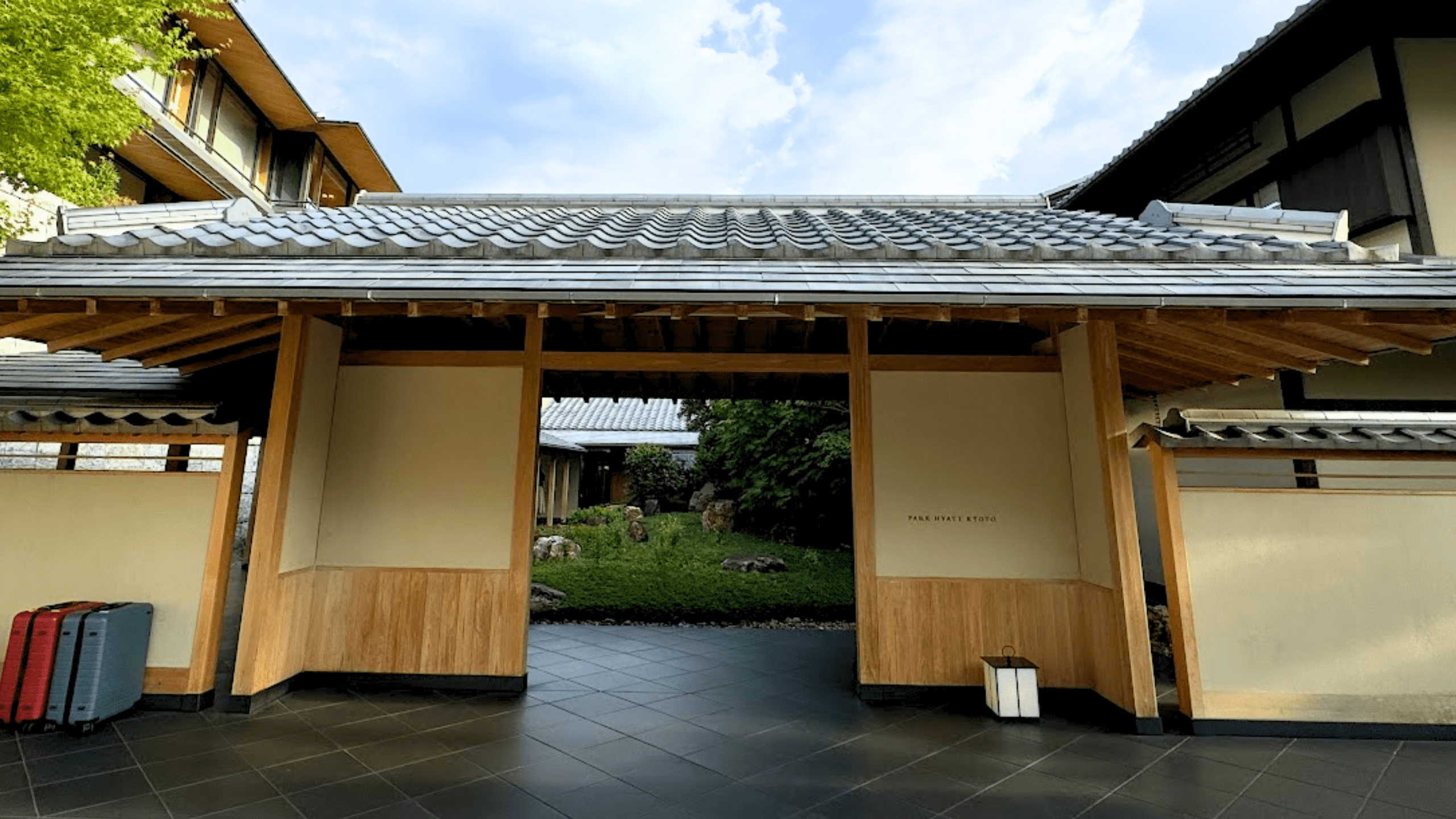
Kyoto is beautiful, but first-timers can make it surprisingly difficult by treating temples like collectibles. The city works better when you protect mornings, group nearby sights, and accept that atmosphere is part of the value. A slower day with three well-timed stops can be better than a “complete” route that leaves you stuck in buses and crowds.
Quick Answer
For a first trip to Kyoto, protect early mornings, group nearby sights, and make the hotel support crowd timing. The win is not seeing every temple; it is seeing enough without turning the day into bus math.
| Decision | Simple answer |
|---|---|
| Best starting areas | Downtown Kyoto / Kawaramachi, Higashiyama / Gion edge, Kyoto Station |
| Foods to prioritize | kaiseki or a refined set meal, soba or udon, yudofu, matcha sweets, Nishiki Market snacks, yakitori or izakaya dinners |
| Activities to prioritize | Do one early temple district before the tour buses peak, Pair Fushimi Inari with a realistic amount of walking, Use Arashiyama as a half-day, not a rushed photo stop |
| Best planning rule | One main anchor per day, then nearby meals and optional stops |
| Biggest mistake | Booking around a deal instead of the map |
How to Think About a First Trip
Plan Kyoto around crowd windows and transit friction. Higashiyama is magical early and heavy by late morning. Arashiyama deserves time if you go, not a rushed bamboo photo. Fushimi Inari can be short or long depending on how far you climb. Downtown matters because you need meals and recovery after temple time. Hotel choice should balance charm against getting bags, buses, and dinners handled without stress.
Where to Stay
Kyoto lodging is a tradeoff between atmosphere and convenience. Downtown keeps food and transit simple. A Higashiyama or Gion-edge stay can feel memorable but may cost more and complicate luggage. Kyoto Station is not romantic, yet it can be the right call for arrivals, departures, and day trips.
| Area | Why it works |
|---|---|
| Downtown Kyoto / Kawaramachi | best for restaurants |
| Higashiyama / Gion edge | best for atmosphere |
| Kyoto Station | best for arrivals |
Downtown Kyoto / Kawaramachi
Best for: best for restaurants, buses, trains, shopping, and first-timers who want evenings to be easy. Skip if: skip if you want a quiet ryokan feel.
Downtown Kyoto is the base for eating and regrouping. You can reach buses, trains, shops, Pontocho, Nishiki, and many dinners without making every night a taxi decision. It lacks the quiet postcard feel, but it solves a lot of first-timer friction.
Higashiyama / Gion edge
Best for: best for atmosphere, temples, early walks, and classic Kyoto visuals. Skip if: skip if you need modern rooms, lower prices, or easy luggage logistics.
The Higashiyama or Gion edge can feel special when you wake up early and walk before crowds arrive. The tradeoff is price, room size, and luggage logistics. Choose it for atmosphere, not because it is automatically easier.
Kyoto Station
Best for: best for arrivals, departures, day trips, and travelers who value convenience over charm. Skip if: skip if you want to step outside into old Kyoto.
Kyoto Station is the honest logistics choice. It lacks old-city charm, but it simplifies arrivals, departures, day trips, and some bus or train routes. For short stays or heavy luggage, that practicality can beat a more romantic address.
What to Eat
Kyoto food does not have to mean only expensive kaiseki. Mix one refined meal or set lunch with soba, udon, tofu, sweets, market snacks, coffee, and casual dinners. The best food plan also respects temple fatigue; sometimes the right restaurant is the one near your hotel after a long walking day.
- Kaiseki Or A Refined Set Meal — A refined set meal is worth planning when it replaces several mediocre food stops, not when it becomes schedule stress.
- Soba Or Udon — Soba or udon gives Kyoto meals a calmer rhythm between temples and long walks.
- Yudofu — Yudofu makes sense near temple areas where a lighter, slower lunch fits the day.
- Matcha Sweets — Matcha sweets are best as a planned break, especially when sightseeing fatigue starts to flatten the day.
- Nishiki Market Snacks — Fit this around the day’s temple or neighborhood plan. Kyoto meals are more enjoyable when they become a pause in the route rather than another appointment you are late for.
- Yakitori Or Izakaya Dinners — Yakitori or an izakaya dinner is the practical counterweight to Kyoto’s daytime refinement.
Match meals to energy. A refined lunch can fit between temples, while a casual noodle shop or izakaya may be the right answer after a heavy walking day. Do not book every dinner far from the hotel; Kyoto evenings are better when recovery is easy.
What to Do
For activities, prioritize timing. Early starts, quieter lanes, and fewer transfers will improve the trip more than adding another temple to the list.
Do one early temple district before the tour buses peak
Kiyomizu-dera, Sannenzaka, Ninenzaka, and nearby lanes are much better when you protect the morning. Give it enough time to feel calm; rushing this stop usually creates more regret than cutting the next one.
Pair Fushimi Inari with a realistic amount of walking
You do not have to climb every gate to have a good visit, but you do need to avoid the worst crowd window. Give it enough time to feel calm; rushing this stop usually creates more regret than cutting the next one.
Use Arashiyama as a half-day, not a rushed photo stop
The bamboo grove is only one piece; gardens, river paths, and quieter temples make the travel time more worthwhile. Give it enough time to feel calm; rushing this stop usually creates more regret than cutting the next one.
Save downtown for food and recovery
Kyoto can be temple-heavy. Kawaramachi, Pontocho, and Nishiki are useful when you need dinner, shopping, or a less structured block. Give it enough time to feel calm; rushing this stop usually creates more regret than cutting the next one.
Add northern Higashiyama, Nanzen-ji, or the Philosopher’s Path for a slower Kyoto day
This is where Kyoto works best as a mood instead of a checklist. Give it enough time to feel calm; rushing this stop usually creates more regret than cutting the next one.
Kyoto rewards restraint. Choose the area you want to experience, arrive early when it matters, and stop before every temple starts to blur. A good Kyoto day should have room for a quiet lane, a garden bench, or tea, not only ticket gates.
A Simple 3-Day Plan
Day one: Start with Higashiyama early, then slow down. Kiyomizu-dera, the sloped lanes, Yasaka, and Gion can fill a day if you allow room for food, tea, and crowd breaks.
Day two: Use this for Arashiyama or Fushimi Inari, not both at full intensity unless you are comfortable with a long day. Kyoto rewards fewer, better-timed sights more than constant movement.
Day three: Build a softer day around downtown, Nishiki, Pontocho, Nanzen-ji, the Philosopher’s Path, or a special meal. By day three, most travelers need a plan that absorbs fatigue instead of pretending it does not exist.
More time lets Kyoto breathe. Add a north-side temple route, a second early Higashiyama morning, a day trip to Uji or Nara, or simply a slower afternoon around the river and downtown food.
Points, Cards, and Booking Strategy
Kyoto points can be valuable during cherry blossom, foliage, or holiday pricing, but the map still wins. A redemption that forces awkward bus rides or taxis every day can be worse than a cash stay downtown. Consider room size, luggage transfers, breakfast timing, and whether the property supports early starts.
Carry a no-foreign-transaction-fee card and a backup, but keep cash ready for temples, buses, small shops, and older restaurants. Kyoto gets frustrating when payment becomes a production, especially on days built around transit, walking, and timed sightseeing.
Common Mistakes
The classic Kyoto mistake is trying to see too many temples in one day. After the third or fourth stop, even beautiful places can blur together. Kyoto is better when you choose a tight route, slow down, and let walking, food, gardens, and side streets carry part of the day.
Another mistake is ignoring transportation friction. Buses can be crowded, taxis can be worth it for certain routes, and train lines do not always connect the exact temple districts you want. A hotel that seems cheaper can cost you energy if every morning starts with a long transfer.
Do not schedule the most famous sights at the worst times if you can avoid it. Fushimi Inari, Kiyomizu-dera, Arashiyama, and Gion are all better when you respect crowd patterns. You do not need to “beat” everyone, but you should avoid building a day that places you in the densest spot at peak crush.
Finally, do not make Kyoto perform like Tokyo or Osaka. The value is not just attractions per hour. The value is atmosphere, pacing, and small details. If your plan has no breathing room, it is probably not a good Kyoto plan.
First-Trip Pacing Note
Kyoto is the place where I would deliberately under-schedule. Put the most crowded sight first, keep lunch close to the area, and save the afternoon for a second district or a slower walk. If you need to use taxis to preserve energy, budget for them upfront instead of treating them as failure. The cost can be worth it when it protects an early start or avoids a long bus wait after a temple-heavy day.
Booking and Budget Notes for a First Trip
For Kyoto, I would spend first on location and route simplicity. Staying near Kyoto Station can be practical for arrivals, departures, and day trips, while Higashiyama or downtown can feel more atmospheric for evenings. Neither is automatically better. The right choice depends on whether you value train logistics or walking out into a more Kyoto-feeling neighborhood.
Budget for occasional taxis if they save a complicated bus transfer or protect a packed day. Also budget time, not just money. Kyoto’s most expensive mistake is over-scheduling: you pay in fatigue, crowd frustration, and wasted time. If a hotel benefit or points redemption puts you far from the areas you want to explore, the theoretical value can disappear quickly.
What I’d Do Differently on a Second Trip
On a second Kyoto trip, I would choose fewer famous sights and more specific themes. One day could be gardens and tea. Another could be a quieter temple area with a long lunch. Another could be shopping, ceramics, coffee, and one evening in Gion or Pontocho. Kyoto gets better when you stop treating it like a museum checklist and start letting each district have its own pace.
That is useful for a first trip too. If you are torn between two extra temples, choose the one that fits the route better. If you are tired, skip the next famous stop and protect dinner. Kyoto punishes frantic planning because the best parts require attention: the street, the garden, the seasonal detail, the quiet moment before the tour groups arrive.
If budget allows, consider spending on one experience that slows the trip down: a better-located ryokan-style stay, a taxi between awkward districts, a tea experience, or a meal you care about. Those can be better uses of money than adding another paid attraction.
In Kyoto, restraint is usually the upgrade.
Final Take
For a first trip to Kyoto, stay around Downtown Kyoto for convenience, Higashiyama for temple walks, Kyoto Station for transit, and Arashiyama only when you want a quieter edge-of-town stay, then build each day around one main area instead of crossing the city repeatedly. Prioritize early temple starts, Higashiyama walks, Arashiyama, markets, gardens, and enough downtime to avoid shrine fatigue, with meals like kaiseki, tofu, wagashi, matcha, obanzai, Nishiki Market snacks, and simple noodle meals, before adding side trips or hard-to-reach reservations. Use points and hotel benefits only when they support that plan; a technically good redemption can still be the wrong stay if it pulls you away from the trip you came for.