In this article
Tokyo rewards first-timers who admit the city is huge. You can have an amazing three or four days, but you cannot make every famous neighborhood convenient from one hotel or every restaurant worth a cross-town detour. The goal is a set of sensible daily zones: one side of the city, one main reason to be there, and enough space for stations, shopping, snacks, and getting lost in a good way.
Quick Answer
For a first trip to Tokyo, divide the city into daily zones and resist cross-town detours. The best booking is usually the hotel that makes your station routine boring in a good way, not necessarily the one with the flashiest redemption value.
| Decision | Simple answer |
|---|---|
| Best starting areas | Shinjuku, Ginza / Tokyo Station, Shibuya / Harajuku |
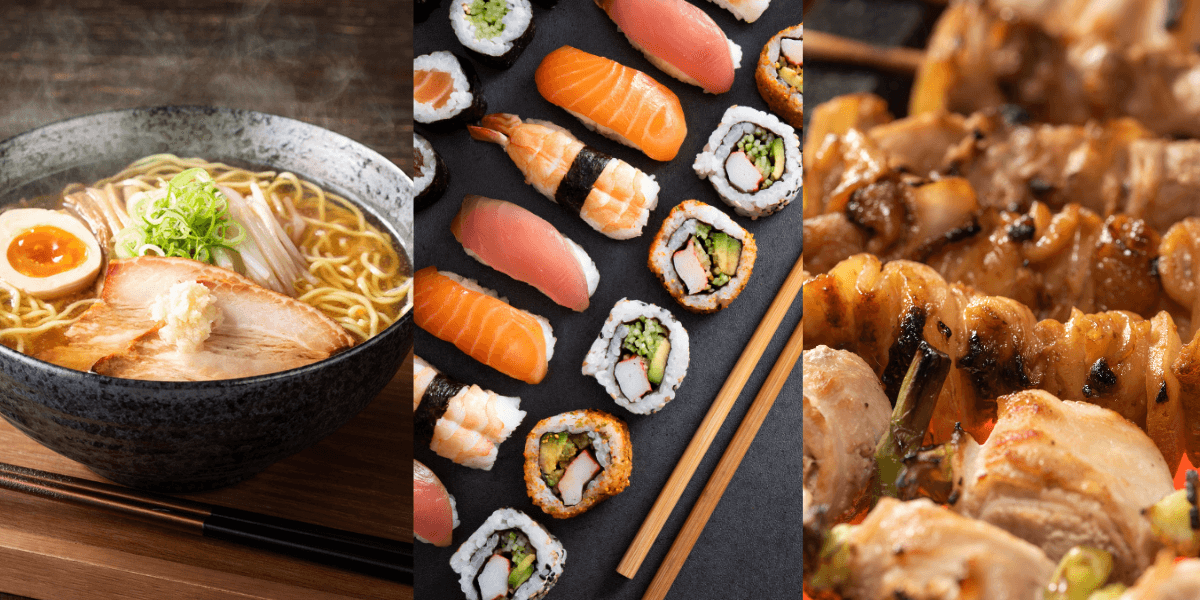
| Foods to prioritize | sushi, ramen, tonkatsu, yakitori, tempura, depachika and convenience-store snacks |
| Activities to prioritize | Build one west-side day around Shinjuku, Shibuya, and Harajuku, Pair Asakusa with Ueno or Akihabara instead of crossing the whole city, Use Tsukiji Outer Market and Ginza as a morning-to-afternoon plan |
| Best planning rule | One main anchor per day, then nearby meals and optional stops |
| Biggest mistake | Booking around a deal instead of the map |
How to Think About a First Trip
Start with geography, then layer in interests. West-side Tokyo works for Shinjuku, Shibuya, Harajuku, Daikanyama, and nightlife. East-side days work better for Asakusa, Ueno, Akihabara, Ginza, and Tokyo Station. If you mix those constantly, the trains are not hard, but the day becomes chopped up. Tokyo also has reservation pressure, tiny hotel rooms, and station exits that can add invisible friction, so convenience is not a soft luxury; it is part of the budget.
Where to Stay
Choose a Tokyo hotel by station usefulness, not only neighborhood reputation. Being close to the correct line and exit can matter more than being in the trendiest address. Shinjuku is powerful but busy, Ginza and Tokyo Station are polished and logistical, and Shibuya or Harajuku fits travelers who want western Tokyo energy.
| Area | Why it works |
|---|---|
| Shinjuku | best for transport |
| Ginza / Tokyo Station | best for polished hotels |
| Shibuya / Harajuku | best for fashion |
Shinjuku
Best for: best for transport, nightlife, department stores, and a first-time base with energy. Skip if: skip if station complexity and late-night crowds will stress you out.
Shinjuku is powerful because it keeps many Tokyo plans one transfer or one walk away. The tradeoff is mental load: station exits, crowds, and late-night energy are real. I would choose it when the itinerary is west-side heavy and the hotel is close to the line you will use, not merely because the address says Shinjuku.
Ginza / Tokyo Station
Best for: best for polished hotels, shopping, airport or Shinkansen logistics, and a calmer central base. Skip if: skip if you want youth culture and nightlife outside the door.
Ginza and Tokyo Station are the calmer logistical answer. This base is strong for polished hotels, airport buses or trains, Shinkansen moves, shopping, and Tsukiji/Ginza days. It is less ideal if you want to fall out of the lobby into youth culture or tiny bars every night.
Shibuya / Harajuku
Best for: best for fashion, cafes, music, shopping, and western Tokyo neighborhoods. Skip if: skip if you need the easiest access to eastern Tokyo or early trains.
Shibuya and Harajuku put you near fashion, cafes, music, and western Tokyo walks. It can be fun and efficient if those are your priorities. Be honest about crowds and prices; the location is valuable when you will use it repeatedly, not when it only sounds exciting.
What to Eat
Tokyo food planning works best with tiers. Reserve the meals that truly require it, choose a few no-reservation counters near your daily zones, and keep convenience stores, department-store food halls, bakeries, and station snacks as part of the plan rather than consolation prizes.
- Sushi — For sushi, decide between a casual standing/counter meal and a planned splurge; they solve different parts of the trip.
- Ramen — Ramen is the easiest recovery meal in Tokyo, but a thirty-minute line after a long day is not always noble.
- Tonkatsu — Tonkatsu is worth seeking out when you want a satisfying sit-down lunch that does not require a complicated reservation.
- Yakitori — Yakitori fits a night when you want to linger over small orders; book if the place is tiny or popular.
- Tempura — Tempura can be casual or refined, so match the format to your budget instead of assuming one version is mandatory.
- Depachika And Convenience-Store Snacks — Depachika and convenience-store snacks are not filler; they are practical tools for train days, late arrivals, and hotel-room resets.
Use reservations selectively. A special sushi, tempura, or yakitori meal can be worth planning around, but Tokyo also shines through ordinary counters, station meals, depachika boxes, and ramen shops near where you already are. Long detours should earn their place.
What to Do
For activities, pick a side of the city before picking sights. Tokyo becomes less intimidating when each day has a map logic you can explain in one sentence.
Build one west-side day around Shinjuku, Shibuya, and Harajuku
These areas are famous for a reason, but they work best as a loose cluster with meals and shopping between them. Keep the backup stops nearby so a missed train or long shop visit does not unravel the rest of the day.
Pair Asakusa with Ueno or Akihabara instead of crossing the whole city
Eastern Tokyo has a different rhythm, and keeping it together protects the day from needless train time. Keep the backup stops nearby so a missed train or long shop visit does not unravel the rest of the day.
Use Tsukiji Outer Market and Ginza as a morning-to-afternoon plan
Go early enough for food, then shift into shopping, coffee, or Tokyo Station logistics rather than forcing another faraway neighborhood. Keep the backup stops nearby so a missed train or long shop visit does not unravel the rest of the day.
Book teamLab, Ghibli-related stops, or other ticketed experiences only if they matter to you
Tokyo has plenty to do without tickets, so reserve the experiences that justify fixed timing. Keep the backup stops nearby so a missed train or long shop visit does not unravel the rest of the day.
Add one quieter neighborhood to make the city feel less like a greatest-hits reel
Daikanyama, Nakameguro, Kichijoji, Yanaka, or Kagurazaka can be the difference between liking Tokyo and only surviving it. Keep the backup stops nearby so a missed train or long shop visit does not unravel the rest of the day.
A first Tokyo itinerary should have contrast: one high-energy day, one older or more polished day, and one personal-interest day. That balance does more for the trip than adding one more famous crossing, tower, or queue.
A Simple 3-Day Plan
Day one: Choose one side of the city and stay there. A west-side first day might be Shinjuku, Meiji Jingu, Harajuku, and Shibuya. An east-side first day might be Asakusa, Ueno, and Akihabara. The win is not variety; it is avoiding three unnecessary cross-city moves.
Day two: Make the second day a contrast. If day one was neon and shopping, use day two for Asakusa, Ueno, Ginza, Tsukiji, or a museum. If day one was classic and calm, shift west. Tokyo feels more manageable when each day has a geographic personality.
Day three: Reserve the third day for what you specifically care about: food, shopping, museums, character goods, bars, a ticketed digital-art stop, or a neighborhood you missed. Leave space because Tokyo always creates unexpected detours.
If you have more time, deepen the neighborhoods rather than stretching the train map. Return to Shinjuku or Ginza at a different hour, add a quiet west-side walk, or give one interest—food, design, anime, jazz, stationery—a full block.
Points, Cards, and Booking Strategy
Tokyo is a place to compare points against the room you would book, not a fantasy suite rate. A redemption is strong when it saves serious cash and keeps you by the right station. It is weak when the property is elegant but makes every dinner, shopping run, or early train more complicated.
Carry a no-foreign-transaction-fee card and a backup, but keep IC card convenience and cash flexibility in the plan. Tokyo is efficient when you can move quickly through trains, convenience stores, ticket machines, and small restaurants without turning every payment into a points decision.
Common Mistakes
The classic Tokyo mistake is crossing the city too many times in one day. Tokyo transit is excellent, but excellent does not mean invisible. Shinjuku, Shibuya, Asakusa, Ginza, Ueno, Harajuku, Akihabara, and Tokyo Station can all be easy individually and still exhausting when stitched together badly.
Another mistake is booking a hotel based on brand or points before understanding the train map. Tokyo rooms can be small, so upgrades are tempting, but the better value is often being on the line you will use. A compact room near the right station can outperform a larger room that adds transfers every day.
Do not reserve every meal unless the meal is truly the point. Tokyo rewards both planning and spontaneity. Book the hard-to-get restaurant if you care, but leave room for ramen, depachika food, convenience stores, coffee, standing sushi, and neighborhood surprises.
Finally, do not expect one “best Tokyo area.” The best area depends on the trip: nightlife, shopping, food, museums, day trips, business, or quiet. Choose a base that supports your version of Tokyo rather than someone else’s checklist.
First-Trip Pacing Note
Tokyo is not hard because transit is bad; it is hard because the city tempts you to ignore distance. Before each day, look at the route as a loop rather than a list. If the stops do not connect naturally, cut one. You will have a better trip with three neighborhoods that flow than five famous stops that require constant platform changes.
Booking and Budget Notes for a First Trip
For Tokyo, I would decide the hotel area after mapping the first three days. If most plans are west-side, Shinjuku or Shibuya may justify a premium. If you have Shinkansen trips, Ginza/Marunouchi/Nihonbashi/Tokyo Station areas can make more sense. If you are focused on east-side temples, museums, or Ueno/Asakusa, staying east can save repeated crossings.
Budget for convenience. Tokyo can be affordable meal-by-meal, but bad hotel geography costs time every day. If points put you in the right location, great. If they put you on the wrong line, pay cash somewhere simpler. Also check room size carefully; a cheap room may be fine for solo travel but frustrating for two people with luggage.
What I’d Do Differently on a Second Trip
On a second Tokyo trip, I would pick interests instead of landmarks. Food people can build days around ramen, sushi, depachika, coffee, izakaya, or convenience-store comparisons. Shopping people can choose fashion, vintage, kitchen goods, stationery, electronics, or department stores. Neighborhood people can go deeper into Koenji, Shimokitazawa, Kichijoji, Nakameguro, Yanaka, or Kagurazaka.
That is the lesson for a first trip: do not let someone else’s Tokyo checklist swallow your actual interests. If you care about food, protect meal timing. If you care about shopping, stay near useful train lines. If you care about day trips, book near the right station. Tokyo has too many good options for a generic plan to be the best plan.
For budget, spend where it saves daily time. A better-located hotel can improve every day of the trip. A marginally fancier hotel in the wrong district can quietly tax every meal and activity.
Final Take
For a first trip to Tokyo, stay around Ginza or Tokyo Station for transit, Shinjuku for nightlife and rail links, Shibuya for energy, Roppongi or Akasaka for balance, and Ueno or Asakusa for value and old Tokyo atmosphere, then build each day around one main area instead of crossing the city repeatedly. Prioritize neighborhood clusters, food blocks, transit-light days, museums, shopping, views, and one optional day trip, with meals like sushi, ramen, izakaya meals, depachika food halls, tonkatsu, yakitori, convenience-store breakfasts, and neighborhood cafes, before adding side trips or hard-to-reach reservations. Use points and hotel benefits only when they support that plan; a technically good redemption can still be the wrong stay if it pulls you away from the trip you came for.