In this article
Luxury Hotel Booking Programs Compared: When Each One Is Worth Using
Luxury booking portals can unlock extra perks like daily breakfast, property credits, room upgrades, early check-in, late checkout, and elite-style treatment, often for the same price you’d pay booking direct.
By Cardonomics|Updated on 6/5/2026

Luxury hotel booking programs can be genuinely valuable, but they are also easy to overrate. The idea usually looks like this: book through a special program and receive breakfast, a property credit, an upgrade, late checkout, and better treatment. That sounds great, especially when the benefits are described as complimentary.
The problem is that benefits are only complimentary if the rate is the same as the rate you would otherwise book. If a program rate is $200 more than your next-best rate and gives you a $100 credit plus breakfast you did not want, you did not win. You bought a perk package.
Programs like Amex Fine Hotels + Resorts®, Virtuoso, Hyatt Privé, Marriott STARS, Marriott Luminous, Hilton for Luxury, Four Seasons Preferred Partner, and similar advisor or card-based programs all belong in the same mental category: they are tools. Sometimes the right tool is a preferred luxury program. Sometimes it is booking direct. Sometimes it is using points. Sometimes it is choosing a less fancy hotel in a better location.
The goal is not to maximize the number of benefits on a confirmation email. The goal is to book the stay that gives you the best trip for the money, points, time, and friction involved.
Terms apply to American Express benefits and offers. Enrollment may be required for select American Express benefits and offers. Visit americanexpress.com to learn more.
Quick Answer
Use luxury hotel booking programs when the rate is close to the rate you would otherwise book and the benefits are easy to use. They are most useful for resorts, expensive luxury city hotels, independent hotels where you do not have elite status, short stays with per-stay credits, and trips where breakfast, late checkout, or advisor support solves a specific problem.
Skip them when the program rate is meaningfully higher, you will not use the benefits, a points booking saves a lot of cash, your elite status already covers the main perks, or location and price matter more than the hotel experience.
| Program type | Best use case | Main caution |
|---|---|---|
| Amex Fine Hotels + Resorts | Cardholders who value guaranteed 4pm checkout and credits | Portal rates can be higher; loyalty treatment varies |
| Virtuoso | Independent luxury hotels and broad luxury comparisons | Benefits vary; confirm loyalty earning for chain hotels |
| Hyatt Privé | Eligible Hyatt luxury/lifestyle hotels | Compare against points and Globalist benefits |
| Marriott STARS / Luminous | Eligible Marriott luxury and premium hotels | Elite benefit overlap can reduce incremental value |
| Hilton for Luxury | Waldorf, Conrad, LXR, and eligible Hilton luxury hotels | Compare against points, certificates, and FHR |
| Brand preferred partner programs | Four Seasons, Rosewood, Mandarin, etc. | Advisor quality and exact property terms matter |
| Direct member rate | Lowest eligible brand booking | Fewer soft benefits but simpler servicing |
| Points booking | High cash rates and good award availability | May give up preferred-program perks |
A simple rule: check these programs for expensive cash luxury stays, but only book them when the all-in value beats the realistic alternative.
What It Is: Luxury Hotel Booking Programs
Luxury hotel booking programs are preferred booking channels that add benefits to eligible hotel stays. Some are tied to credit cards, like Amex Fine Hotels + Resorts. Some are advisor networks, like Virtuoso. Some are brand-specific, like Hyatt Privé, Marriott STARS/Luminous, Hilton for Luxury, and Four Seasons Preferred Partner.
The mechanics vary, but the idea is similar. A hotel wants high-value guests from a trusted channel. In return, the hotel offers extra amenities that may include breakfast, credits, upgrades, early check-in, late checkout, and recognition. The traveler gets a better stay if the rate and benefits make sense.
These programs are usually not designed to beat the cheapest prepaid rate. Many are based on flexible or best available rates. That is why they can look amazing when compared to a flexible rate and underwhelming when compared to a member discount, corporate rate, package, or points redemption.
They also differ in loyalty treatment. A brand-specific program may be more likely to preserve points and elite-night credit. A credit card portal may or may not earn hotel points depending on the program and chain. Advisor bookings can be eligible or ineligible depending on how they are made. You need to check.
Typical Benefits
| Benefit | How to value it | What to check |
|---|---|---|
| Daily breakfast for two | High if you would eat at the hotel | Full breakfast, continental, buffet, or capped credit? |
| Property credit | Useful if it replaces planned spending | Amount, eligible outlets, per-stay vs per-night, taxes/service rules |
| Room upgrade | Nice upside, not guaranteed in most programs | Confirm if at booking, arrival, or subject to availability |
| Early check-in | Valuable after overnight flights | Guaranteed, prioritized, or request-only? |
| Late checkout | Very useful for evening departures | Guaranteed 4pm, specific time, or subject to availability? |
| Loyalty points and elite nights | Critical for status chasers | Is the rate eligible and is your loyalty number attached? |
| Advisor or portal support | Can be helpful or frustrating | Who services changes, cancellations, and hotel issues? |
Breakfast is the easiest benefit to value when you would have paid for it. It is less valuable when the destination has better breakfast outside the hotel or you are leaving early. Property credits are similar: valuable when they cover spending you planned, less valuable when they create spending.
Upgrades are often the most emotionally appealing benefit and the least reliable one. Treat an upgrade as a bonus. If a suite matters, book a suite or use a confirmed upgrade instrument.
Late checkout deserves special attention. Amex FHR’s guaranteed 4pm late checkout can be more valuable than a vague “subject to availability” benefit if you have an evening flight. On the other hand, a brand-specific program may preserve loyalty earning better. The best program depends on the stay.
Program-by-Program Comparison
Amex Fine Hotels + Resorts
Amex Fine Hotels + Resorts is available to American Express Platinum Card® cardholders. It often includes daily breakfast for two, a property credit, room upgrade when available, noon check-in when available, and guaranteed 4pm late checkout.
The guaranteed 4pm late checkout is the standout. If you have an evening flight, a beach day, or a city stay where you want to shower before leaving, that can be worth money. FHR can also interact with annual prepaid hotel credits on eligible cards, which may tilt the math.
The cautions are rate and loyalty treatment. FHR rates are not always the cheapest. Some chain hotels may honor elite benefits and earning, while others can be inconsistent depending on the booking path and brand rules. Always compare the all-in price and confirm what matters.
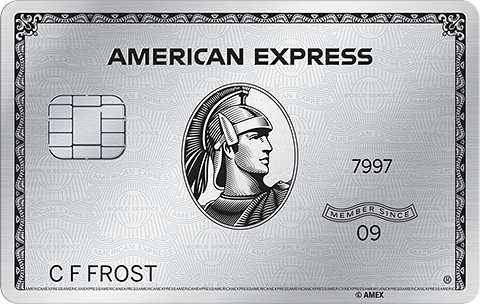
American Express Platinum Card®
You may be eligible for as high as 175,000 Membership Rewards® Points after spending $12,000 in eligible purchases on your new Card in your first 6 months of Membership. Welcome offers vary and you may not be eligible for an offer.
Terms apply | Rates & Fees
American Express Platinum Card® is one of the best travel cards, especially if you can use the many credits. For many, this becomes a highly subsidized lounge access and travel perks card.
Virtuoso
Virtuoso is a broad luxury travel advisor network. It is especially useful for independent luxury hotels where you do not have a loyalty program to lean on. Benefits often include breakfast, a property credit or special amenity, upgrade priority, and availability-based early check-in or late checkout.
Virtuoso is strong because of coverage. It can be relevant for Four Seasons, Rosewood, Mandarin Oriental, Peninsula, Belmond, Aman, and many independent hotels where points are not the main strategy.
The caution is that benefits vary by property, and loyalty treatment for chain hotels should be confirmed. For Hyatt, Marriott, or Hilton, a brand-specific preferred program may be the safer loyalty path.
Hyatt Privé
Hyatt Privé is one of the most attractive brand-specific programs because eligible bookings commonly keep the stay inside the World of Hyatt ecosystem. That can mean points, elite-night credit, and recognition in addition to Privé benefits.
It is strongest at Park Hyatt, Andaz, Alila, Thompson, Miraval, and other participating luxury or lifestyle properties. Breakfast and credits can be valuable, and Hyatt points are useful enough that preserving earning matters.
The main caveat is elite overlap. Hyatt Globalists already receive strong benefits at many properties, so the incremental value may be the credit and advisor recognition rather than breakfast or late checkout. Also compare against Hyatt points, which can be very powerful when cash rates are high.
Marriott STARS and Luminous
Marriott STARS and Luminous cover eligible Marriott luxury and premium properties. STARS is generally associated with higher-end luxury brands, while Luminous is broader across premium and lifestyle hotels.
These programs can be valuable because Marriott’s elite benefits vary widely by brand and region. A preferred booking may add breakfast, a credit, and property-level recognition. It can be especially useful at luxury resorts and short stays where a per-stay credit matters.
The caveat is complexity. Marriott has many brands, different breakfast rules, variable elite treatment, and lots of competing rates. Compare against member rates, prepaid rates, Bonvoy points, Amex FHR, and direct offers. Confirm points and elite-night eligibility.
Hilton for Luxury
Hilton for Luxury, often discussed in relation to Hilton Impresario, is the preferred luxury booking path for eligible Hilton properties such as Waldorf Astoria, Conrad, LXR, and other participating hotels.
It can be useful because Hilton luxury breakfasts and resort spending can be expensive. A preferred booking may add breakfast, a property credit, upgrade priority, and advisor recognition while potentially preserving Hilton Honors earning.
The caveat is that Hilton points and free night certificates can be extremely valuable at luxury properties. Also, many travelers already have Hilton Gold or Diamond status through credit cards, so breakfast-like benefits may overlap. Compare incremental value, not headline value.
Other Brand Preferred Partner Programs
Several luxury brands have their own preferred partner programs or advisor relationships. Four Seasons Preferred Partner is a major example. Similar preferred access can exist for brands such as Rosewood, Mandarin Oriental, Belmond, and others through luxury advisors.
These programs can be excellent when there is no points angle and the rate matches direct. The advisor relationship can matter, especially for special occasions or high-touch properties.
The caution is that the program quality depends on the property, advisor, and exact benefit terms. Get the details before booking.
When I’d Use a Luxury Hotel Booking Program
I would use one when the rate is the same or close to direct and the benefits fit the stay. If a hotel is $700 direct and $700 through a preferred program with breakfast and a $100 credit, the program probably wins unless there is a loyalty or cancellation issue.
I would also use one for resorts. Resorts make it easy to use breakfast and credits, and late checkout can be genuinely valuable. If you are going to spend time on property, property benefits matter more.
Short stays are another sweet spot. A $100 per-stay credit on a one-night stay can be significant. On a four-night stay, it is still nice but less powerful.
Special occasions are a good reason to use an advisor channel. A honeymoon, anniversary, birthday, or family milestone may benefit from pre-arrival communication. Do not expect miracles, but good hotel context can help.
Finally, use these programs when you do not have status. If you are booking a luxury hotel and have no elite benefits, a preferred program can provide a status-like experience without chasing status.
When I’d Skip It
Skip luxury hotel programs when the rate premium is too high. Benefits are not free if the rate is inflated.
Skip them when you will barely use the hotel. If the hotel is just a bed between activities, prioritize location and price.
Skip when points or certificates are clearly better. A great award booking can beat a cash booking with benefits.
Skip when elite status already covers the valuable parts. If you already receive breakfast and late checkout, count only the incremental credit and advisor value.
Skip when a direct offer is stronger. Hotels sometimes run packages with breakfast, resort credits, parking, third-night-free offers, or bonus points that beat preferred programs.
Compare Before Booking
Use a simple comparison grid for every serious luxury hotel booking:
| Factor | Direct | Preferred program | Card portal | Points |
|---|---|---|---|---|
| All-in cash cost | ||||
| Cancellation policy | ||||
| Breakfast value to you | ||||
| Credit value to you | ||||
| Late checkout value | ||||
| Points/elite nights earned | ||||
| Card credits or bonus earning | ||||
| Friction if plans change |
The important phrase is “to you.” A $120 breakfast is not worth $120 if you would rather eat street food. A $100 credit is not worth $100 if it causes you to spend $180. A possible upgrade is not worth a guaranteed premium.
Elite Credit and Points Caveats
If you care about hotel loyalty, confirm eligibility before booking. Brand-specific programs are often the safest path for earning points and elite nights, but you should still verify. Portal bookings can be less predictable. Advisor bookings vary by rate and chain.
Attach your loyalty number before arrival, screenshot or save written confirmations, and check your account after checkout. If a stay is part of an elite-status plan or promotion, do not leave eligibility to assumption.
For elite members, calculate incremental value. Do not count breakfast twice. Do not value late checkout if your status already gives it and the hotel is likely to honor it. Do count credits, guaranteed terms, and better advisor support when they improve the stay.
For points bookings, remember that paying cash through a program earns points but also spends cash. Redeeming points saves cash but may skip program benefits. The right answer depends on your points balance, cash price, award rate, and trip priorities.
Value Math Caveats
The safest valuation method is conservative. Start with the all-in rate difference. Then add only benefits you would pay for or use naturally.
Example: direct member rate is $520, preferred program rate is $560, two-night stay. The premium is $80 before tax. If breakfast for two is worth $50 per day to you and the $100 credit will cover a dinner you already planned, the program probably wins.
Different example: prepaid member rate is $430, preferred program rate is $610, three-night stay. The premium is $540 before tax. A $100 credit and breakfast might not close the gap, especially if you prefer local meals.
Do not let high menu prices distort your thinking. Luxury hotels charge luxury hotel prices. The question is not what the hotel charges. The question is what the benefit replaces in your plans.
Booking Workflow
- Pick the hotel based on location and trip fit first.
- Price direct member, flexible, prepaid, package, and points options.
- Check brand-specific programs if the hotel is Hyatt, Marriott, Hilton, Four Seasons, or another luxury brand with preferred partners.
- Check Virtuoso for broad luxury comparison.
- Check Amex FHR and other card portals if you have relevant cards or credits.
- Compare all-in totals, not base rates.
- Confirm cancellation policy, loyalty earning, benefits, and credit restrictions.
- Value benefits conservatively.
- Book the option that improves the trip at the best net cost.
- Before arrival, confirm your loyalty number, requests, and benefits.
- At checkout, verify credits and charges before leaving.
Common Mistakes
The first mistake is calling everything free. Benefits are only free when the rate is not higher than your next-best rate.
The second mistake is choosing perks over location. A better breakfast does not fix a hotel that wastes your time every day.
The third mistake is overvaluing upgrades. Most upgrades are availability-based. Book what you need.
The fourth mistake is ignoring points. Luxury hotels can be exactly where points and certificates shine.
The fifth mistake is double-counting elite benefits. Incremental value is what matters.
The sixth mistake is assuming all advisors or portals are the same. The servicing, hotel relationship, and loyalty treatment can differ.
The seventh mistake is forgetting the folio. Credits can fail to post correctly. Review the bill before checkout.
A Simple Booking Rule
For luxury cash stays, check at least three paths: direct, a relevant preferred program, and a card portal. If you have points, check awards too. Use the preferred program when the rate is close and the benefits are practical. Skip it when the rate premium is larger than the value you can honestly use.
Bottom Line: Luxury Hotel Booking Programs Compared
Use Luxury Hotel Booking Programs Compared when the rate is close to the public price and the benefits solve something you would otherwise pay for, such as breakfast, a property credit, late checkout, or a meaningful upgrade path. Skip it when the preferred-rate premium is larger than the benefits or when a points booking, elite rate, corporate rate, or Amex FHR-style option is stronger. Compare the all-in trip cost and the room you would book, not the brochure value of every listed perk.