In this article
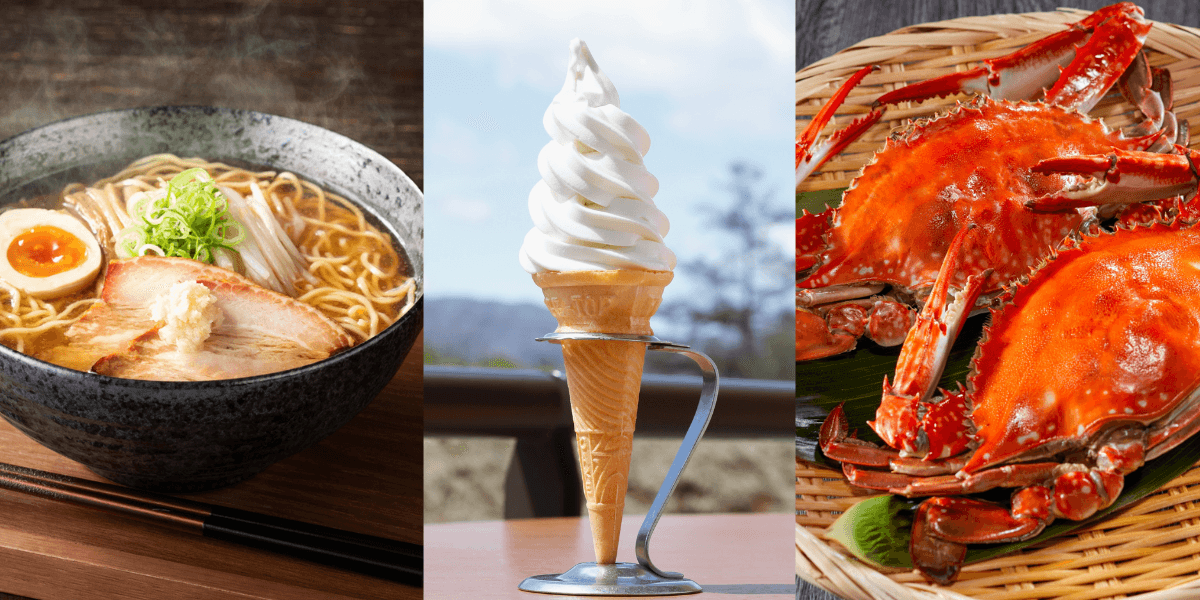
Hokkaido and Niseko are easiest to enjoy when you decide what kind of trip you are taking: ski trip, food and onsen trip, summer road trip, or a mixed itinerary with Sapporo and Otaru. The region is beautiful, but distances are long and winter logistics can punish overplanning.
A useful Niseko activity list starts with the mountain and then protects recovery. Ski conditions, lift operations, onsen access, dinner transport, and weather windows matter more than collecting attractions. Skip anything that steals the best snow day unless your group would genuinely enjoy it more than skiing.
Quick Answer
For most travelers, choose two or three true anchors, then leave space around them. The best activities in Hokkaido Niseko are the ones that match your season, hotel location, weather, and energy level.
| If you care about... | Prioritize this |
|---|---|
| Ski or snowboard Niseko United | Best for winter travelers who came for powder. |
| Book a proper onsen experience | Best for slowing the trip down. |
| Eat Hokkaido seafood, dairy, and ramen | Best for travelers who care about food. |
| Spend time in Sapporo | Best for arrivals, departures, bad weather, and urban food. |
| Visit Otaru | Best easy add-on from Sapporo or a road-trip stop. |
| Plan one scenic drive or day trip | Best outside deep winter if you have a car and realistic timing. |
How I’d Think About This
Niseko is not a checklist destination; it is a conditions destination. The right day depends on snow, wind, lift status, road conditions, daylight, and how much energy your group has after skiing. A perfect plan on paper can be a bad plan if visibility is poor or everyone is exhausted.
I would build the trip around mountain time first, then add onsen, food, and short excursions as recovery tools. If you are not skiing or snowboarding, the area can still be relaxing, but you need to be more intentional because distances are wider and public transit is thinner than in a city.
The Best Activities and Areas
Ski or snowboard the Niseko United areas
Best for: powder days, repeat laps, and travelers who came for snow Skip if: your group does not ski or you only want a casual photo stop
Niseko’s main activity is still the mountain. Grand Hirafu, Hanazono, Niseko Village, and Annupuri each have a slightly different feel, and the choice often depends on where you are staying, lesson availability, and wind holds. First-timers should not overcomplicate it: choose the area that makes rental pickup, lessons, and returning to your lodging easiest. Stronger skiers can think more about lift access and terrain variety.
The value question is not just lift-ticket price. A cheaper lodging setup that requires awkward shuttles, long rental walks, or taxis every morning can make the trip worse. If your goal is to ski several days, pay attention to boot rooms, shuttle frequency, rental delivery, and whether beginners can get to lessons without a stressful transfer.
Take an onsen seriously
Best for: recovery, bad-weather afternoons, and non-skiers Skip if: you are uncomfortable with traditional bathing rules
Onsen is not filler in Niseko; it is part of why winter trips here work. After a cold day, a proper hot spring can save the evening. Choose one that is easy to reach from your hotel or included with your property if possible. The best version is not necessarily the fanciest spa. It is the one you will use when everyone is tired.
Learn the basics before going: wash before entering, no swimsuits in traditional baths, keep towels out of the water, and check tattoo policies if relevant. If your group is onsen-shy, a private bath or hotel facility may be a better first step.
Use Kutchan for errands and local contrast
Best for: groceries, casual meals, pharmacies, and a break from resort pricing Skip if: roads are poor and you do not have reliable transport
Kutchan is not a polished attraction, but it is useful. It gives you supermarkets, ramen shops, bakeries, drugstores, and a more normal-town view of the area. For condo stays, a grocery run can improve the whole trip: snacks, breakfast supplies, drinks, and simple food for nights when nobody wants another reservation.
The catch is transport. If you have a car or planned taxi, Kutchan is easy. If you are relying on shuttles, check schedules before assuming you can just pop over.
Add one snow activity only if it fits the weather
Best for: mixed groups or non-ski days Skip if: the forecast is ugly or you would rather rest
Snowshoeing, snowmobiling, snow rafting, and guided winter walks can be fun, but they are weather-sensitive and not always cheap. I would add one if your group has non-skiers or you need a break from lift tickets. I would not book a packed menu of snow activities just to make the itinerary look full.
Consider a scenic or food-focused transfer day
Best for: arrival/departure flexibility or travelers with a private driver Skip if: you are trying to maximize ski time
If timing works, a stop for Lake Toya, Otaru, Yoichi, or Sapporo can add context to the trip. But these are not quick side quests from the slopes. Treat them as transfer-day options or separate overnights, not something to wedge into a prime ski day.
A Simple Prioritization Plan
For a short winter trip, prioritize two or three strong ski days, one proper onsen session, and one flexible non-ski block for Kutchan, snowshoeing, a cooking class, or a private transfer excursion if weather cooperates. Put the highest-effort activity early in the trip while energy is high.
If you are staying in Hirafu, keep at least one evening completely local so you are not dependent on taxis after dinner. If you have a car, use it for groceries, Kutchan meals, and scenic stops, but do not overestimate your appetite for winter driving after dark.
What I’d Add With Extra Time
If you have extra time in Hokkaido Niseko, I would add experiences that complement skiing rather than compete with it. A Kutchan dinner, a quieter onsen block, a Sapporo or Otaru stop on the way in or out, or a proper rest afternoon can make the trip feel more like Hokkaido and less like a generic ski week. This is especially useful if weather shuts down lifts or the group is more mixed than expected.
I would not use extra time to stack more logistics onto already tiring days. Snow trips have hidden friction: gear, cold, transfers, reservations, and recovery. The best add-ons are the ones that make the trip more comfortable or more local without creating a second itinerary on top of the mountain itinerary.
Points, Cards, Hotel, and Transit Strategy
In Niseko, lodging location is often more valuable than a nicer room farther away. A ski-in/ski-out property, a condo near the shuttle, or a hotel with reliable transfers can save time every morning. If a points redemption puts you far from lifts, restaurants, or rentals, check the total cost in taxis, shuttles, and friction before calling it a win.
Hotel breakfast can be useful here because it gets people fed before lessons or lift openings. That does not mean it is worth a huge rate premium, but it solves a specific timing problem in a ski village. Gear storage, drying rooms, shuttle service, and rental partnerships may matter more than brand status.
For transit, decide early whether you are comfortable driving in snow. Many travelers are better off with airport transfers and local shuttles, then paying selectively for taxis or day tours. Build slack into departure day; winter roads between Niseko and New Chitose can be slow.
What I Would Skip or Deprioritize
I would skip long sightseeing detours on days with good snow. If you came for Niseko, do not spend the best powder day sitting in a van chasing a photo stop. I would also deprioritize restaurants or activities that require complicated late-night taxi logistics unless someone in the group really cares.
For non-skiers, I would be cautious about booking too many passive resort days without a plan. Onsen, cafes, snow walks, and spa time are pleasant, but the area can feel limited if you expected urban wandering. If the group is mixed, set separate expectations: skiers get mountain mornings, non-skiers get a few intentional activities and comfortable bases, then everyone meets for dinner.
How to Build a Better Day
A good Niseko day starts with checking conditions, not with forcing yesterday’s plan. If snow is strong, get breakfast handled quickly and ski early. Use lunch as a reset, then decide whether the afternoon is worth more laps, an onsen, or an easy cafe break.
Keep evenings simple. Choose dinner near your lodging or arrange transportation before people are tired. Pack small comforts: hand warmers, dry socks, and a plan for wet gear. The best Niseko days usually feel boring logistically because the logistics were solved before the weather made them harder.
Budget and Pacing Notes
Niseko costs can creep because the expensive parts are not only lift tickets and hotels. Gear rental, lessons, taxis, restaurant minimums, private transfers, and missed shuttle timing all add up. Before paying for a nicer room or a distant bargain, map the daily routine: where you pick up skis, where beginners meet instructors, where dinner is, and how you get home after dark.
If you are using points, compare against the cash stay you would book, not the fantasy rate at the most expensive week of the year. A redemption is less impressive if it forces paid transfers or makes the group waste every morning. Conversely, paying cash for a well-located condo can be the better value if it lets you cook breakfast, store gear easily, and walk to dinner.
Skiing is physically demanding, so pacing affects how much people enjoy the trip. One open evening, one onsen block, and one simple dinner close to the hotel can make the whole trip feel more expensive in a good way: less stress, better sleep, and fewer moments where logistics erase the benefit of being in Hokkaido.
Common Mistakes
The biggest mistake is underestimating winter friction. Short distances can still be annoying with snow, gear, children, or tired legs. Another mistake is booking lodging based only on room quality while ignoring lift access, shuttle reliability, and restaurant proximity.
Do not assume every activity is equally good in every condition. Snowmobiling, snowshoeing, and scenic drives all depend on weather and visibility. Also be careful with departure timing. A same-day connection that looks safe in summer can be stressful after a storm.
A Realistic First-Trip Shape
For three nights in Niseko, I would keep the plan intentionally simple. Arrival day is for transfers, rental pickup, groceries, and an easy dinner near your lodging. Do not book an ambitious activity that depends on arriving on time from New Chitose, because winter roads and flight delays can turn that into stress quickly.
Use the first full day for lessons, easier runs, and figuring out the mountain. Even experienced skiers need a little time to understand lift connections, meeting points, and where the group naturally wants to take breaks. Put an onsen after that first ski day if possible; it helps everyone recover and sets the rhythm for the rest of the trip.
The second full day is usually the best day to push harder: longer ski blocks, a guided powder lesson, snowshoeing for non-skiers, or dinner that requires a reservation and transport. By then you know what the weather, roads, and group energy feel like. If conditions are excellent, protect mountain time. If visibility is poor, this is the day to lean into onsen, Kutchan errands, cafes, or a snow activity that still works in low visibility.
Departure day should be conservative. Pack gear early, confirm transfer timing, and do not assume you can squeeze in a relaxed lunch far from your pickup point. Niseko trips are expensive enough that wasting the last morning in a panic is the wrong kind of value loss.
Bottom Line: Must-Do Activities in Hokkaido and Niseko
The best things to do in Hokkaido Niseko start with Ski or snowboard Niseko United, Book a proper onsen experience, Eat Hokkaido seafood, dairy, and ramen, then build in meals and neighborhood time around them. Put reservation-heavy or weather-sensitive plans early enough in the trip that you can move them if needed. A shorter list done well will usually beat an overpacked itinerary that turns every day into a commute.