In this article
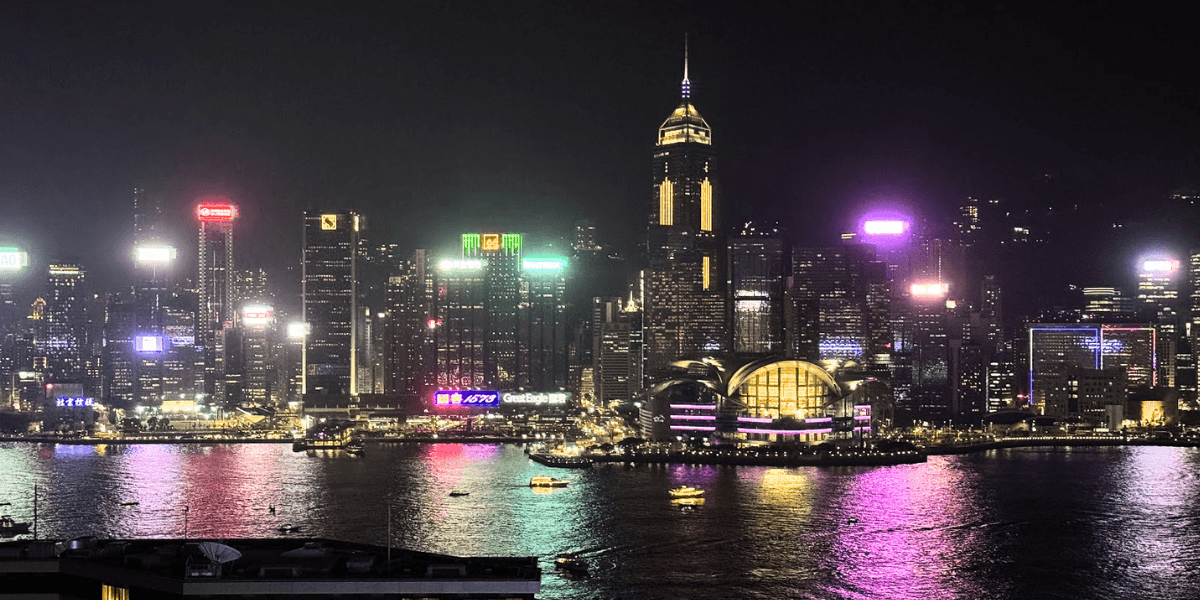
Hong Kong is best when you mix the obvious skyline moments with food, ferries, markets, and hillside neighborhoods. The city is dense, but the good version of a Hong Kong trip is not a race from attraction to attraction.
A useful Hong Kong activity list is about movement through the city: ferry, tram, escalator, markets, harbor, and viewpoints. The question is not how many attractions you can book; it is whether each stop fits the side of the harbor and the weather you have.
Quick Answer
For most travelers, choose two or three true anchors, then leave space around them. The best activities in Hong Kong are the ones that match your season, hotel location, weather, and energy level.
| If you care about... | Prioritize this |
|---|---|
| Ride the Star Ferry and walk the harbor | The simplest must-do is still one of the best. |
| Go to The Peak, but respect the weather | The view can be incredible, but clouds and haze change the value fast. |
| Spend a half-day in Central, SoHo, and Sheung Wan | This is where old stair streets, coffee, galleries, temples, escalators, bars, and restaurants connect naturally. |
| Eat dim sum and roast meats | Food is an activity here. |
| Explore Mong Kok and Kowloon markets | Go for street energy, sneakers, casual food, and dense city texture. |
| Take a ferry to an outlying island | Lamma or Cheung Chau can reset the trip after a dense city day. |
How I’d Think About This
Hong Kong rewards movement. The city is compact, vertical, and layered, so the best activities combine transit, viewpoints, neighborhoods, and food rather than isolated attractions. A ferry ride, tram climb, market walk, and noodle stop can be more memorable than a full day of ticketed sightseeing.
I would plan by geography and crowd timing. Pair Central and Sheung Wan with the Mid-Levels escalator, trams, and Victoria Peak. Pair Tsim Sha Tsui with the Star Ferry, harbor views, museums, and Kowloon markets. Do not bounce across the harbor repeatedly just because each item looks close on a map.
The Best Activities and Areas
Ride the Star Ferry and use the harbor properly
Best for: first-time orientation, skyline views, and low-cost transit Skip if: the weather is so poor that the view disappears
The Star Ferry is popular because it is still useful. It gives you the skyline, the harbor scale, and a practical connection between Central/Wan Chai and Tsim Sha Tsui without turning the moment into a paid observation deck. Do it during the day if you want city detail, then again around blue hour if your schedule allows.
The mistake is treating the ferry as a single checkmark. Build around it. Walk the Tsim Sha Tsui promenade, time a harbor crossing before dinner, or use it after Central and Sheung Wan so the skyline becomes part of the route rather than a separate attraction.
Go to Victoria Peak, but only when the conditions cooperate
Best for: classic city views and first-trip perspective Skip if: visibility is bad or lines are eating the day
The Peak is worth doing when the sky is clear enough to see the city, harbor, and islands. The tram is part of the fun, but the line can be the least enjoyable part of the experience. If queues are rough, compare bus, taxi, or a different timing instead of blindly waiting.
This is the practical value call: the most expensive or famous version is not automatically the best. A clear-view bus ride up and a relaxed walk may beat a crowded tram experience. If haze ruins the view, spend the time in neighborhoods and try again later.
Walk Central, Sheung Wan, and the Mid-Levels escalator
Best for: urban texture, cafes, temples, galleries, and hills without too much climbing Skip if: you want a calm, flat sightseeing day
This area shows how Hong Kong stacks itself vertically. You can move from office towers to dried seafood shops, antique streets, temples, bars, escalators, and residential lanes within a short walk. The Mid-Levels escalator is not thrilling in isolation; it becomes useful when it helps you climb through the city while stopping for food and side streets.
Wear shoes that handle slopes and stairs. Also pay attention to direction and timing: the escalator system changes flow for commuting patterns, and walking downhill may be easier than building a day around climbing.
Spend time in Kowloon markets and street-level neighborhoods
Best for: night energy, shopping streets, signs, snacks, and contrast with Hong Kong Island Skip if: crowds are your biggest stressor
Mong Kok, Jordan, Yau Ma Tei, and Sham Shui Po give you a different version of Hong Kong than Central. Markets, neon remnants, electronics, fabric, toys, sneakers, temples, and street food make the day feel less polished and more lived-in. Pick one or two areas instead of trying to march through every market.
Add one calmer cultural stop
Best for: rain, heat, or a slower afternoon Skip if: you only have one day and clear weather
The Hong Kong Museum of History, M+, Chi Lin Nunnery, Nan Lian Garden, Man Mo Temple, or an outlying island can balance the skyline-and-shopping version of the trip. Choose based on location. A calm garden in Diamond Hill makes sense if you are already in Kowloon; M+ pairs naturally with West Kowloon and harbor time.
A Simple Prioritization Plan
For a short trip, prioritize the Star Ferry, a Peak viewpoint, one tram or double-decker bus ride, one Kowloon market or neighborhood walk, and one harbor evening. Those are the activities that make Hong Kong feel like Hong Kong without requiring complex bookings.
Add a museum, temple, outlying island, or Disneyland only if it fits your trip style. If the weather is hazy, do not force the Peak at the worst possible time; swap in a neighborhood crawl and keep the viewpoint flexible. Hong Kong is dense enough that backup plans are easy if you group the day correctly.
What I’d Add With Extra Time
With extra time in Hong Kong, I would add neighborhood depth before adding more headline attractions. Spend longer in Sheung Wan, Sham Shui Po, Jordan, Sai Ying Pun, or Kennedy Town. Take a tram ride because it fits the route, not because it checks a box. Add a ferry or waterfront walk when the weather is clear. Hong Kong rewards small movements: a bakery, market, footbridge, tea stop, or side street can be more memorable than another rushed viewpoint.
If you have a full extra day, then consider an outlying area or island depending on weather and energy. The key is not to turn Hong Kong into a scavenger hunt. Let the density work for you by going deeper into one area instead of constantly crossing the city.
For value, extra time is also where you avoid paying for convenience you do not need. Instead of booking another tour, you may get more from using the MTR, Star Ferry, tram, or a simple taxi to connect two neighborhoods cleanly. Spend money where it removes friction — airport timing, a hotel location that supports your route, or a meal you want — not on packaged sightseeing that repeats places you could visit independently.
Hotel location matters more than a marginally nicer room in Hong Kong. Staying near an MTR station in Central, Admiralty, Wan Chai, Tsim Sha Tsui, Mong Kok, or Jordan can make the whole trip easier. A great points redemption far from transit can lose value quickly because Hong Kong days involve many short hops.
Use the Octopus card or mobile transit options for MTR, ferries, trams, buses, convenience stores, and small purchases. The system is fast enough that you should not overuse taxis unless you are moving luggage, traveling late, or avoiding a steep uphill walk.
Hotel breakfast is optional. If it is included and fast, fine. But Hong Kong breakfasts outside the hotel are part of the experience, and a cha chaan teng or bakery stop can be a better use of both appetite and time.
What I Would Skip or Deprioritize
I would skip over-planned attraction hopping. Hong Kong is not improved by turning every hour into a booking. I would also deprioritize the Peak if weather is poor or the line is bad; a harbor walk, rooftop drink, ferry ride, or alternative viewpoint may be more enjoyable.
Do not spend half a day crossing town for one Instagram wall or one famous snack unless it is already near your route. I would be selective with theme parks on a first short visit: they can be fun, but they consume the kind of day that could otherwise show you ferries, markets, escalators, neighborhoods, and skyline views.
How to Build a Better Day
Build Hong Kong days in loops. Start on one side of the harbor, move through connected neighborhoods, then cross by ferry when the view matters. For example: Sheung Wan, Central, escalator, Peak, then ferry to Tsim Sha Tsui for evening skyline. Or Mong Kok markets, Sham Shui Po, temple stop, then a calmer dinner.
Leave room for weather. Hazy or rainy afternoons are good for museums, malls, tea, and covered walkways. Clear evenings are for the harbor. Wear comfortable shoes, but remember that escalators, walkways, and transit can remove a lot of the pain if you route intelligently.
Budget and Pacing Notes
Hong Kong can be expensive, but many of the best first-trip activities are cheap or free: ferries, trams, markets, neighborhood walks, temple visits, harbor views, and escalator routes. Spend money where it removes friction or improves the view, not because every skyline moment needs a ticket.
A centrally located hotel can be worth more than a larger room farther out. The city rewards quick resets: dropping bags, changing before dinner, or returning after rain without losing an hour. If a points property makes you cross the harbor or transfer repeatedly for every activity, check whether the redemption is really improving the trip.
Pacing is the difference between Hong Kong feeling thrilling and feeling exhausting. Build in air-conditioned breaks, especially in humid months. Use malls and covered walkways strategically, not as a failure to be “local.” Avoid stacking the Peak, multiple markets, a museum, and a late dinner into one day unless your group genuinely likes intensity. The city is dense enough that a lighter plan still feels full.
Common Mistakes
The main mistake is treating Hong Kong as flat and close. It is close on a map, but elevation, station exits, crowds, and harbor crossings change how a day feels. Another mistake is using taxis for trips where MTR or ferry is faster and more predictable.
Do not schedule the Peak, a ferry, multiple markets, dim sum, and a museum without considering crowd timing. Also avoid making hotel benefits the center of the trip. A slightly smaller room in the right district can beat a nicer property that makes every activity start with a commute.
A Realistic First-Trip Shape
For two or three days in Hong Kong, I would build the trip around one Hong Kong Island day, one Kowloon day, and one flexible day for weather or personal interests. On the Island day, start with Sheung Wan or Central, use the Mid-Levels escalator area, then aim for the Peak only if visibility is cooperating. Finish by crossing the harbor when the skyline is worth seeing.
On the Kowloon day, give yourself time at street level. Tsim Sha Tsui is useful for museums, the promenade, and ferry access, but Mong Kok, Jordan, Yau Ma Tei, and Sham Shui Po show a more everyday version of the city. Do not try to make every market a separate event. Pick a route that lets you move naturally, eat nearby, and avoid backtracking.
The flexible day is where you decide what kind of traveler you are. If you want culture and air conditioning, use M+ or another museum. If you want a calmer escape, consider an outlying island, Chi Lin Nunnery, Nan Lian Garden, or a slower neighborhood walk. If you want pure convenience, stay close to your hotel and spend the day using trams, malls, food halls, and covered walkways.
This structure keeps Hong Kong from becoming a harbor-crossing workout. You still get the icons, but you also get the layered streets, practical transit, and food stops that make the city feel different from a generic skyline destination.
Bottom Line: Must-Do Activities in Hong Kong
The best things to do in Hong Kong start with Ride the Star Ferry and walk the harbor, Go to The Peak, but respect the weather, Spend a half-day in Central, SoHo, and Sheung Wan, then build in meals and neighborhood time around them. Put reservation-heavy or weather-sensitive plans early enough in the trip that you can move them if needed. A shorter list done well will usually beat an overpacked itinerary that turns every day into a commute.