In this article
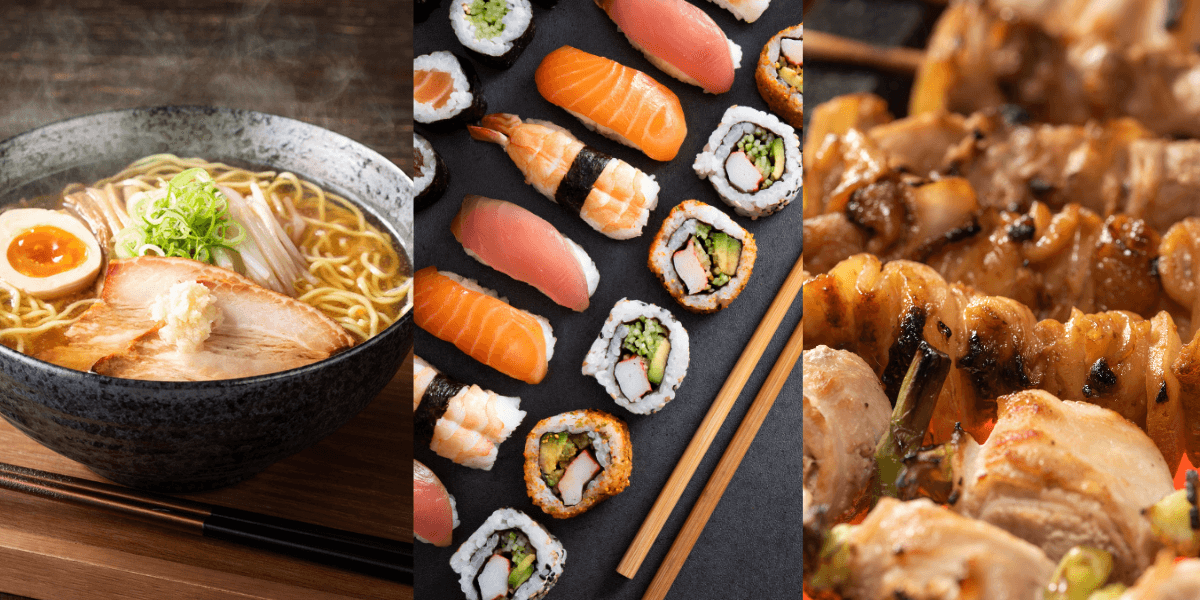
Tokyo is too large for a single must-do list to be honest. The useful approach is to pick a few anchors, group neighborhoods intelligently, and leave room for the small meals and side streets that make the city work.
A useful Tokyo activity list is really a neighborhood strategy. Pick anchors, group nearby districts, and leave enough slack for stations, shops, meals, and side streets. The goal is not to finish Tokyo; it is to avoid wasting the trip in transfers.
Quick Answer
For most travelers, choose two or three true anchors, then leave space around them. The best activities in Tokyo are the ones that match your season, hotel location, weather, and energy level.
| If you care about... | Prioritize this |
|---|---|
| Do a Shinjuku, Shibuya, and Harajuku day | This is the classic modern Tokyo introduction: stations, crossings, shops, food halls, nightlife, parks, and side streets. |
| Visit Asakusa with Ueno or Akihabara | Asakusa gives you the traditional first-time moment, while Ueno adds museums, markets, and park time. |
| Eat at Tsukiji Outer Market, then continue to Ginza | Go early enough to enjoy it, but do not turn breakfast into a three-hour line. |
| Book one ticketed modern experience | teamLab or another timed attraction can be worth it if you want that style of experience. |
| Have at least one great casual food night | Yakitori, ramen, izakaya, tonkatsu, sushi, or depachika grazing can be more memorable than a trophy reservation. |
| Add one quieter neighborhood | Nakameguro, Daikanyama, Kichijoji, Yanaka, Kagurazaka, or Shimokitazawa can make the trip feel less like a greatest-hits tour. |
How I’d Think About This
Tokyo is too large for a universal must-do list. The right plan depends on neighborhoods, train lines, and how much sensory overload your group can handle. A great Tokyo day usually has one anchor area, one secondary area, and enough food breaks to keep everyone functional.
I would not try to “complete” Tokyo. Choose a few first-trip essentials—Asakusa, Shibuya or Shinjuku, a garden or shrine, a food neighborhood, and maybe a museum or teamLab-style ticket—then protect time for wandering. The city’s best moments often happen between planned stops.
The Best Activities and Areas
Anchor one day in Asakusa, Ueno, or the east side
Best for: temples, older streets, museums, and an easier first-day rhythm Skip if: your trip is only modern Tokyo nightlife and shopping
Senso-ji is touristy because it works. The temple approach, side streets, snacks, and river proximity make Asakusa a strong first-day anchor, especially if jet lag has you moving early. Pair it with Ueno for museums and park time, Kuramae for cafes and shops, or Skytree if you want a tower view.
The trick is not to overfill the day. East Tokyo rewards slower walking. If you keep adding faraway neighborhoods, you lose the texture that made the area worth visiting.
Do Shibuya, Harajuku, and Omotesando as a connected zone
Best for: fashion, shopping, youth culture, cafes, and iconic crossings Skip if: crowds drain your group quickly
Shibuya crossing is a quick moment, not a full plan. The better activity is using Shibuya as the start of a connected walk through shops, side streets, Meiji Shrine, Harajuku, and Omotesando depending on your interests. This area can be high-energy and crowded, so build in coffee, parks, or a quieter lunch.
If you want Meiji Shrine, go earlier when the approach feels calmer. If you want shopping, do not pretend it will take only thirty minutes. Tokyo retail has a way of swallowing time.
Save Shinjuku for evening energy
Best for: nightlife, neon, department stores, izakaya, and transport convenience Skip if: your group dislikes crowds or late nights
Shinjuku can feel chaotic, but that is the point. Department-store food halls, Omoide Yokocho, Golden Gai, Kabukicho, and observation decks are all nearby, but they serve different travelers. Pick the version that fits your group. Families may prefer food halls and views; nightlife-focused travelers may want small bars and late dinners.
Do not make Shinjuku your fifth neighborhood of the day. Arrive with enough energy to enjoy it.
Add one garden, shrine, museum, or ticketed modern experience
Best for: balance and weather management Skip if: you are only booking it because it is famous online
Tokyo has more paid and timed experiences than you can reasonably do. teamLab, Ghibli Museum, major exhibitions, baseball games, sumo, gardens, and towers can all be great. Choose one or two that match your interests, then stop. Too many tickets make Tokyo feel like a train commute between appointments.
Treat day trips as full commitments
Best for: longer stays or travelers with a specific goal Skip if: you have fewer than four Tokyo days
Hakone, Nikko, Kamakura, Yokohama, Disney, and Mount Fuji areas can be excellent, but they are not casual morning add-ons. If you go, give the day room and avoid booking a demanding Tokyo dinner afterward. The opportunity cost is real: every day trip replaces neighborhoods you will not see in Tokyo itself.
A Simple Prioritization Plan
For a short first trip, prioritize Asakusa/Senso-ji, Shibuya crossing and nearby neighborhoods, Shinjuku at night, Meiji Shrine or a major garden, and one modern ticketed experience if it genuinely interests you. Add Tsukiji/Toyosu, Akihabara, Ginza, Ueno, or Harajuku based on your style, not because a generic list says you must.
Keep Disney, Mount Fuji day trips, and distant excursions separate from core Tokyo days. They can be worth it, but they consume a full day and should not be squeezed between city neighborhoods.
What I’d Add With Extra Time
With extra time in Tokyo, I would add interest-based depth rather than more famous districts. If you like food, build a day around depachika halls, ramen, coffee, izakaya, or a reservation you care about. If you like shopping, choose a lane: fashion in Harajuku/Shibuya, department stores in Ginza/Shinjuku, kitchen goods in Kappabashi, electronics and anime around Akihabara, or vintage shopping in Shimokitazawa/Koenji.
If you want a day trip, pick one and respect the travel time: Kamakura, Yokohama, Nikko, Hakone, or Kawagoe can all work for different travelers. Do not add a day trip because you feel guilty staying in Tokyo. The city itself can easily fill a week if you stop treating it as a checklist and start treating it as neighborhoods connected by trains.
For value, extra time in Tokyo is usually better spent reducing transit stress than adding expensive attractions. Choose one cluster and go deeper: one station area, one shopping theme, one food plan, one museum or garden, one dinner. If you are using points, do not let the hotel location force an inefficient extra day. Tokyo rewards precision more than ambition; the simpler route often creates the better memory.
Points, Cards, Hotel, and Transit Strategy
Tokyo hotel strategy is mostly location strategy. A slightly smaller room near a useful station can beat a nicer property that forces awkward transfers every day. Shinjuku, Shibuya, Ginza/Tokyo Station, Ueno, and Asakusa can all work depending on your priorities, but you should check actual train routes to your planned neighborhoods.
Use an IC card or mobile Suica/Pasmo if available. Transit is excellent, but stations are huge and transfers take time. Do not build an itinerary that assumes every subway ride is just the platform-to-platform time shown on a map.
Hotel breakfast is optional. Use it if it is fast and included before an early activity, but Tokyo has convenience stores, bakeries, coffee shops, and station food everywhere. Do not overpay for breakfast if it makes you less flexible.
What I Would Skip or Deprioritize
I would skip cross-city attraction collecting. Tokyo punishes itineraries that jump from Asakusa to Shibuya to Odaiba to Shinjuku to Ginza in one day just because the train system can technically do it. Choose fewer areas and go deeper.
I would also deprioritize ticketed digital art, towers, animal cafes, or themed cafes unless they match your interests. Some are fun; some are expensive time sinks. If the weather is clear, a free or lower-cost viewpoint plus a great neighborhood walk may beat another observation deck.
How to Build a Better Day
Build Tokyo days around neighborhood gravity. Asakusa can pair with Ueno, Kuramae, or Skytree. Shibuya can pair with Harajuku, Omotesando, or Daikanyama. Ginza can pair with Tokyo Station, Tsukiji, or Hibiya. Shinjuku can carry an entire evening on its own.
Leave gaps between reservations and ticketed entries because stations, crowds, and shopping detours take longer than expected. Use convenience stores and depachika food as pressure valves. The best Tokyo itinerary is structured enough to prevent wasted transfers but loose enough to follow curiosity down a side street.
Budget and Pacing Notes
Tokyo’s activity budget can look reasonable until you add timed exhibitions, towers, day trips, theme parks, taxis, and reservation-heavy meals. The good news is that many of the best Tokyo experiences are neighborhood-based: shrines, gardens, station food, shopping streets, depachika browsing, parks, and side-street wandering.
Spend intentionally on the things that are genuinely scarce: a museum ticket you care about, a baseball game, a special meal, Disney if that is a priority, or a day trip you have enough time to enjoy. Be skeptical of paying for every viewpoint. Tokyo has many ways to see the city, and the highest observation deck is not always the best use of time.
Pacing is the real luxury. Stations are large, shops are distracting, and every “quick” stop can expand. Build days with fewer neighborhoods and more slack. If your hotel is near a useful station, use it as a reset point. A smaller, well-located room can create a better Tokyo trip than a points redemption that makes every day start with an awkward transfer.
Common Mistakes
The biggest mistake is assuming Tokyo is efficient just because trains are efficient. Stations are massive, neighborhoods are dense, and fatigue builds quickly. Another mistake is booking too many timed experiences, which removes the freedom that makes Tokyo enjoyable.
Do not choose a hotel only because it belongs to a brand you recognize. Check station access, transfer complexity, and late-night options nearby. Also be realistic about day trips. Mount Fuji, Disney, Nikko, and Hakone are not casual add-ons to an already packed Tokyo day.
A Realistic First-Trip Shape
For four Tokyo nights, I would avoid the temptation to assign every famous district to a separate slot. Start with an easier east-side or hotel-adjacent day after arrival: Asakusa, Ueno, Ginza, Tokyo Station, or whatever is simplest from your lodging. Jet lag makes simple routes more valuable than perfect routes.
Use one day for west-side energy: Shibuya, Harajuku, Omotesando, Meiji Shrine, and maybe Shinjuku at night if the group still has fuel. That is already a full day. Do not add Odaiba, Akihabara, and a timed museum just because the trains technically connect them.
Use another day for your personal Tokyo: Akihabara for electronics and anime, Ginza for shopping and food halls, Tsukiji or Toyosu for seafood, Kichijoji or Shimokitazawa for neighborhood wandering, or a ticketed experience you care about. This is where the trip should reflect your interests instead of a generic top-ten list.
If you want a day trip, give it a real day. Kamakura, Hakone, Nikko, Disney, Yokohama, or a Fuji-viewing attempt can all be worth it, but each one replaces a Tokyo day. Check not whether the day trip is good; it is whether it is better than the Tokyo neighborhoods you will skip. For many first-timers, staying in the city produces a better, less tiring trip. Add the day trip only when it is a priority, not because it appears on every Japan itinerary or fills an empty box unnecessarily.
Final Take
The best things to do in Tokyo start with Do a Shinjuku, Shibuya, and Harajuku day, Visit Asakusa with Ueno or Akihabara, Eat at Tsukiji Outer Market, then continue to Ginza, then build in meals and neighborhood time around them. Put reservation-heavy or weather-sensitive plans early enough in the trip that you can move them if needed. A shorter list done well will usually beat an overpacked itinerary that turns every day into a commute.